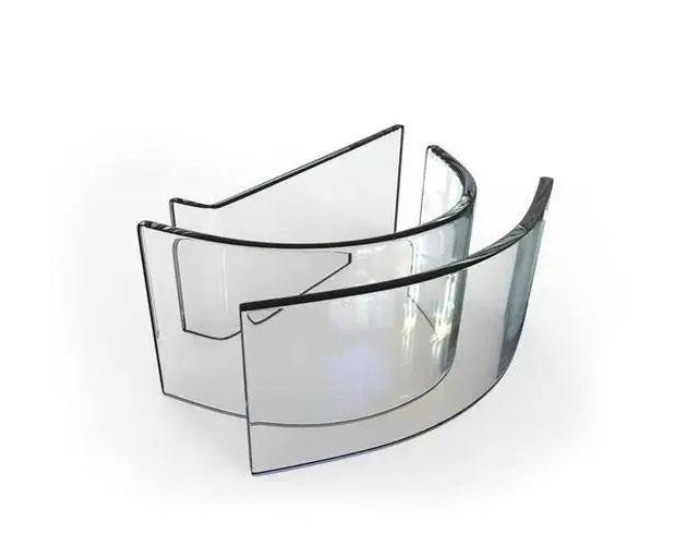
Fixing those annoying “Cold Spots” in Glass Annealing
Ever deal with a piece of glassware that has a narrow neck or a weirdly shaped handle, only to have it crack during cooling? It’s frustrating. The problem is that standard kilns rely on air to move heat around. But air is lazy. It doesn’t like to crawl into tight crevices or narrow openings. You end up with “dead zones”—spots that stay too cold while the rest of the piece is roasting. That temperature gap creates internal stress, and that’s exactly why your glass snaps. Stop relying on the air. Instead, we use short-wave infrared (IR) lamps. Think of it like sunlight hitting your skin on a cold day; the air around you is freezing, but you still feel the heat. IR radiation doesn’t need to “flow” into a gap—it just hits the glass directly. By arranging these lamps in a multi-angle array, you basically flood the entire piece with energy. It doesn’t matter if you have a thick base or a tiny, thin rim; everything reaches that sweet spot for annealing at the same time. The Gear (And the Catch) To get the kind of heat that actually penetrates deep into the glass, we usually go with high-wattage quartz halogen tubes. They pack a punch. But here’s the thing: you can’t just jam as many lamps in as possible. You have to think about your kiln’s ventilation. If you pump in massive amounts of heat but your fans can’t move the ambient air out, you’re going to cook your lamp sockets or overheat the whole housing. It’s a balancing act. Setting it up on the floor If you’re adding these to an existing kiln, don’t just line them up in a row. Stagger them. This kills the shadows and makes sure no part of the glass is hiding from the heat. And a quick heads-up: check your voltage before you plug anything in. If the power doesn’t match, you’ll either get a lukewarm kiln or you’ll hear a pop as the filament blows instantly. Not a great way to start the morning. When you get this right, your temperature tolerances tighten up. The “soak” is more uniform, which means you stop throwing away perfectly good pieces during the cooling phase. It’s a much easier fix than tearing out your entire kiln shell and starting over.