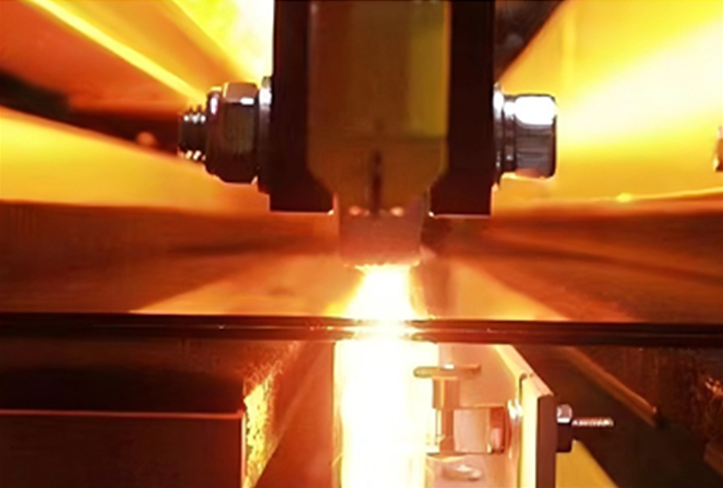
On the line, the kiln isn’t some black box—it’s the last checkpoint before you either ship parts or scrap them. You push a batch, the temperature lags, and the top and bottom of the glass heat at different rates. You can practically feel the thermal stress building. Then the phone rings: another warped part, another rework, another missed ship window. เตาเผาบนสายการผลิตไม่ใช่กล่องดำ มันคือจุดตรวจสอบสุดท้ายก่อนที่คุณจะส่งชิ้นงานหรือคัดทิ้ง เมื่อคุณส่งชุดงานเข้าเตา อุณหภูมิล่าช้า และส่วนบนกับล่างของกระจกได้รับความร้อนในอัตราที่แตกต่างกัน คุณจะสัมผัสได้ถึงความเครียดทางความร้อนที่เพิ่มขึ้น จากนั้นโทรศัพท์ก็ดังขึ้น: ชิ้นงานบิดเบี้ยวอีกชิ้น ต้องทำงานซ้ำอีกครั้ง พลาดเวลาส่งสินค้าอีกครั้ง
Glass kiln heating elements aren’t just about making heat. They have to deliver repeatable profiles under load, hold uniformity across the chamber, and keep cycle time predictable. When the heating system is inconsistent, bending and tempering pay for it immediately—through optical distortion, edge stress, and curvature that drifts from shift to shift. องค์ประกอบทำความร้อนในเตาเผากระจกไม่ได้ทำหน้าที่เพียงแค่ให้ความร้อนเท่านั้น แต่ต้องให้โปรไฟล์อุณหภูมิที่ทำซ้ำได้ภายใต้ภาระงาน รักษาความสม่ำเสมอทั่วทั้งห้องเผา และทำให้เวลารอบการทำงานคาดการณ์ได้ เมื่อระบบทำความร้อนไม่เสถียร การดัดและการเทมเปอร์จะได้รับผลกระทบทันทีผ่านการบิดเบี้ยวของภาพ ความเครียดที่ขอบ และความโค้งที่เปลี่ยนแปลงไปในแต่ละกะ
What matters under the hood
We design glass kiln heating elements for one reason: controlled, even heat where the glass needs it, when it needs it. The performance you can actually measure comes down to three numbers.
สิ่งที่สำคัญภายในตัวเครื่อง
เราออกแบบองค์ประกอบทำความร้อนในเตาเผากระจกด้วยเหตุผลเดียว: การควบคุมความร้อนที่สม่ำเสมอในตำแหน่งที่กระจกต้องการและเวลาที่ต้องการ ประสิทธิภาพที่วัดได้จริงมีอยู่ในสามตัวเลขหลัก
Ramp rate.On a busy bending line, the kiln has to follow the process curve without overshoot. Our elements support ramp rates up to10°C/s, so you can jump from ambient to operating temperature fast and still hold a tight soak. Fast ramps cut idle time between changeovers, which keeps throughput moving. อัตราการเพิ่มอุณหภูมิ (Ramp rate) ในสายการผลิตดัดที่มีความหนาแน่นสูง เตาต้องติดตามเส้นโค้งกระบวนการโดยไม่เกินจุดที่กำหนด องค์ประกอบของเรารองรับอัตราการเพิ่มอุณหภูมิได้สูงสุดที่ 10°C/s ทำให้สามารถเปลี่ยนอุณหภูมิจากอุณหภูมิรอบข้างไปยังอุณหภูมิทำงานได้อย่างรวดเร็วและยังคงรักษาช่วงเวลาการแช่ความร้อนอย่างแม่นยำ อัตราการเพิ่มอุณหภูมิที่รวดเร็วช่วยลดเวลาว่างระหว่างการเปลี่ยนชุดงาน ซึ่งช่วยให้การผลิตไหลลื่นต่อเนื่อง
Temperature uniformity.Uneven heating is the quickest route to distortion and residual stress. We layout the elements and tune the watt density distribution to hit±2°C uniformityacross the active heating zone. Glass notices small gradients—especially at the edges—and that tight uniformity is what keeps shape repeatable, part after part. ความสม่ำเสมอของอุณหภูมิ การให้ความร้อนที่ไม่สม่ำเสมอเป็นสาเหตุหลักของการบิดเบี้ยวและความเครียดตกค้าง เราจัดวางองค์ประกอบและปรับการกระจายความหนาแน่นวัตต์ให้ได้ ±2°C ความสม่ำเสมอทั่วโซนความร้อนที่ใช้งาน กระจกไวต่อความแตกต่างเล็กน้อย โดยเฉพาะที่ขอบ และความสม่ำเสมอที่เข้มงวดนี้ช่วยให้รูปทรงซ้ำได้ในทุกชิ้นงาน
Power density.The element has to deliver enough heat to compensate for door openings, changing loads, and heat losses—without creating hot spots. We run at25–40 W/cm², depending on kiln design and glass thickness. That range is high enough for responsive recovery after loading, but controlled enough to avoid localized overheating that can damage fixtures and eat element life. ความหนาแน่นพลังงาน องค์ประกอบต้องให้ความร้อนเพียงพอเพื่อชดเชยการเปิดประตู การเปลี่ยนแปลงภาระ และการสูญเสียความร้อนโดยไม่ก่อให้เกิดจุดร้อน เราทำงานที่ช่วง 25–40 W/cm² ขึ้นอยู่กับการออกแบบเตาและความหนาของกระจก ช่วงนี้สูงพอสำหรับการฟื้นตัวอย่างรวดเร็วหลังการโหลด แต่ควบคุมได้เพื่อหลีกเลี่ยงการร้อนเกินเฉพาะจุดซึ่งอาจทำลายอุปกรณ์และลดอายุการใช้งานขององค์ประกอบ
The tech behind those numbers is straightforward: short-wave and medium-wave infrared elements, built with quartz and high-temperature alloy terminals, chosen for stable emissivity and predictable resistance across repeated thermal cycles. The geometry is tuned to the kiln’s reflector and airflow pattern, not guessed at. เทคโนโลยีเบื้องหลังตัวเลขเหล่านี้คือง่าย: องค์ประกอบอินฟราเรดคลื่นสั้นและคลื่นกลาง ผลิตจากควอตซ์และขั้วต่อโลหะผสมทนความร้อนสูง เลือกใช้เพื่อความคงที่ของการแผ่รังสีและความต้านทานที่คาดการณ์ได้ในรอบความร้อนซ้ำ รูปทรงถูกปรับให้เหมาะกับกระจกสะท้อนและรูปแบบการไหลของอากาศในเตา ไม่ใช่การคาดเดา
Why this plays across the process
Glass processing is not a single-temperature world. Bending, tempering, annealing, and coating drying all demand different thermal behavior.
เหตุผลที่มีผลต่อกระบวนการทั้งหมด
การแปรรูปกระจกไม่ใช่เรื่องของอุณหภูมิเดียว การดัด การเทมเปอร์ การอบอ่อน และการอบแห้งเคลือบต่างต้องการพฤติกรรมความร้อนที่แตกต่างกัน
Inbending, the kiln has to get the glass to forming temperature quickly, hold the profile, then release heat in a controlled way to set the shape. If the elements struggle to recover after the door opens, temperature dips and bend repeatability drifts. With fast recovery and tight uniformity, you cut scrap on complex curves and keep the press schedule honest. ในขั้นตอน การดัด เตาต้องเร่งให้กระจกถึงอุณหภูมิการขึ้นรูปอย่างรวดเร็ว รักษาโปรไฟล์อุณหภูมิไว้ จากนั้นปล่อยความร้อนอย่างควบคุมเพื่อกำหนดรูปทรง หากองค์ประกอบทำความร้อนฟื้นตัวช้าเมือเปิดประตู อุณหภูมิจะลดลงและความสม่ำเสมอของการดัดจะเปลี่ยนแปลง ด้วยการฟื้นตัวเร็วและความสม่ำเสมอที่เข้มงวด จะช่วยลดของเสียในส่วนโค้งซับซ้อนและรักษาตารางการกดให้ตรงเวลา
Intempering, the heating stage needs a consistent soak before quench. Temperature spread across the glass surface translates straight into non-uniform stress—optical defects and weak spots show up fast. Our elements are matched to the chamber so the soak is even, and the quench can do its job without fighting hot spots. ในขั้นตอน การเทมเปอร์ ช่วงให้ความร้อนต้องมีการแช่ความร้อนที่สม่ำเสมอก่อนการระบายความร้อน (quench) การกระจายอุณหภูมิบนผิวกระจกส่งผลโดยตรงต่อความเครียดที่ไม่สม่ำเสมอ ทำให้เกิดข้อบกพร่องทางแสงและจุดอ่อนอย่างรวดเร็ว องค์ประกอบของเราถูกออกแบบให้เข้ากับห้องเผาเพื่อให้การแช่ความร้อนสม่ำเสมอ และการระบายความร้อนทำงานได้โดยไม่ต้องต่อสู้กับจุดร้อน
Incoating and lamination support processes, the temperature window is narrow. Too much local heat can cause premature drying, pinholes, or adhesion problems. Controlled power density and uniformity protect coating integrity and keep lamination cure profiles repeatable. ในกระบวนการ การเคลือบและการรองรับการลามิเนต ช่วงอุณหภูมิมีความจำกัด ความร้อนเฉพาะจุดมากเกินไปอาจทำให้แห้งก่อนเวลา เกิดรูพรุน หรือปัญหาการยึดเกาะ ความหนาแน่นพลังงานและความสม่ำเสมอที่ควบคุมได้ช่วยรักษาความสมบูรณ์ของการเคลือบและทำให้โปรไฟล์การบ่มลามิเนตซ้ำได้
Energy use isn’t an afterthought. When elements are sized and placed correctly, the kiln hits setpoint faster and holds it with fewer control corrections. That reduces peak demand and stabilizes kWh per piece—something that matters when you run multiple shifts and pay real electricity rates. การใช้พลังงานไม่ใช่เรื่องที่มาคิดทีหลัง เมื่อองค์ประกอบมีขนาดและตำแหน่งเหมาะสม เตาจะถึงจุดตั้งค่าเร็วขึ้นและรักษาได้ด้วยการปรับควบคุมที่น้อยลง ซึ่งช่วยลดความต้องการพลังงานสูงสุดและทำให้การใช้ kWh ต่อชิ้นงานมีความเสถียร ซึ่งเป็นสิ่งสำคัญเมื่อคุณดำเนินงานหลายกะและจ่ายค่าไฟจริง
The practical stuff you can’t skip
Glass kiln heating elements aren’t plug-and-play in every sense. You can get strong performance, but only if you plan for the realities of the floor.
สิ่งที่ต้องพิจารณาในทางปฏิบัติที่ไม่ควรละเลย
องค์ประกอบทำความร้อนในเตาเผากระจกไม่ได้ใช้งานง่ายเหมือนเสียบปลั๊กแล้วใช้ได้ทันที คุณจะได้ประสิทธิภาพดี แต่ต้องวางแผนตามสภาพจริงของโรงงาน
**Match the chamber.**Uniformity comes from element layout, reflector geometry, and airflow. If your kiln has hot and cold zones, swapping elements alone won’t fix the root issue. We size elements and specify positions based on the chamber itself, not a catalog average. จับคู่กับห้องเผา ความสม่ำเสมอมาจากการจัดวางองค์ประกอบ รูปทรงกระจกสะท้อน และการไหลของอากาศ หากเตาของคุณมีโซนร้อนและเย็น การเปลี่ยนแค่ตัวองค์ประกอบจะไม่แก้ปัญหาที่ต้นเหตุ เรากำหนดขนาดและตำแหน่งองค์ประกอบตามห้องเผาจริง ไม่ใช่ค่าเฉลี่ยจากแคตตาล็อก
**Watch the voltage and control method.**Many lines are designed around a specific control voltage. Our elements are available in multiple voltages, but the available voltage and control method—phase-angle, zero-cross, or transformer-based—has to match the existing cabinet. Retrofits are common, but they need a quick check of the power stage. ระวังแรงดันไฟฟ้าและวิธีควบคุม สายการผลิตหลายแห่งออกแบบให้ใช้แรงดันควบคุมเฉพาะ องค์ประกอบของเรามีให้เลือกหลายแรงดัน แต่แรงดันและวิธีควบคุม เช่น phase-angle, zero-cross หรือแบบใช้หม้อแปลง ต้องตรงกับตู้ควบคุมเดิม การปรับปรุงระบบเป็นเรื่องปกติ แต่ต้องตรวจสอบขั้นตอนพลังงานอย่างรวดเร็ว
**Protect terminals and insulation.**High temperature and repeated thermal cycling stress connections and ceramic insulators. Install with the right clearances, use matched hardware, and keep terminals clean. A little preventative attention here prevents headaches later. ปกป้องขั้วต่อและฉนวน อุณหภูมิสูงและการเปลี่ยนแปลงความร้อนซ้ำทำให้ขั้วต่อและฉนวนเซรามิกเสียหาย ติดตั้งโดยเว้นระยะที่เหมาะสม ใช้อุปกรณ์ที่เข้ากัน และรักษาความสะอาดของขั้วต่อ ความใส่ใจเล็กน้อยในขั้นตอนนี้ช่วยป้องกันปัญหาในอนาคต
**Plan for element life.**Elements age in continuous operation and resistance drifts. Treat replacement as scheduled work, not reactive. Keep spares on hand for the sizes you run most, and rotate them to line up with preventive maintenance windows. วางแผนอายุการใช้งานขององค์ประกอบ องค์ประกอบเสื่อมสภาพจากการใช้งานต่อเนื่องและความต้านทานเปลี่ยนแปลง ควรเปลี่ยนตามตารางบำรุงรักษา ไม่ใช่ทำเมื่อเกิดปัญหา เก็บอะไหล่สำรองสำหรับขนาดที่ใช้บ่อย และหมุนเวียนใช้งานให้ตรงกับช่วงบำรุงรักษาป้องกัน
If you want fewer scrap parts, tighter profiles, and less chasing temperature swings, make the heating system a known quantity. Specify elements that can ramp fast, hold even, and recover quickly—then run the process the way it was designed. หากคุณต้องการลดของเสีย ปรับโปรไฟล์ให้แม่นยำ และลดการแก้ไขอุณหภูมิที่เปลี่ยนแปลงบ่อย ให้ทำให้ระบบทำความร้อนเป็นตัวแปรที่รู้จัก กำหนดองค์ประกอบที่เพิ่มอุณหภูมิเร็ว รักษาความสม่ำเสมอ และฟื้นตัวไว จากนั้นดำเนินกระบวนการตามแบบที่ออกแบบไว้