
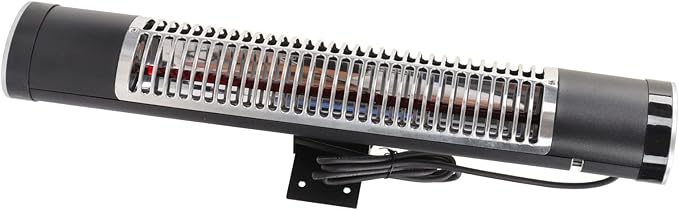
Stopping the Shivers: How to Actually Heat Your Patio
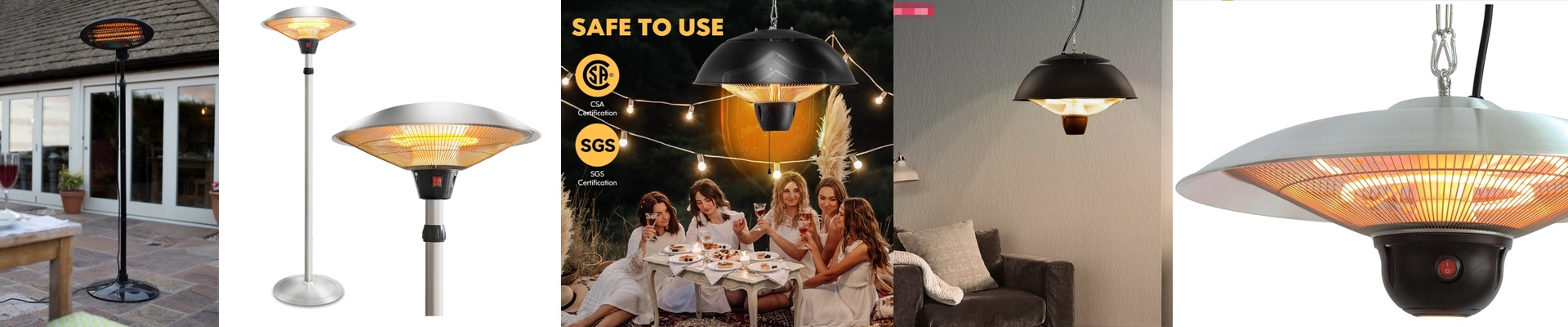
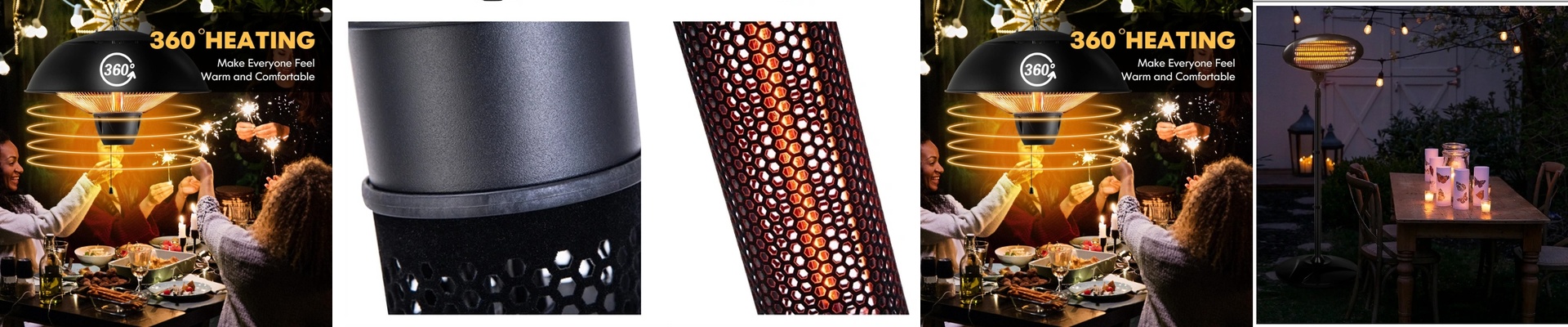
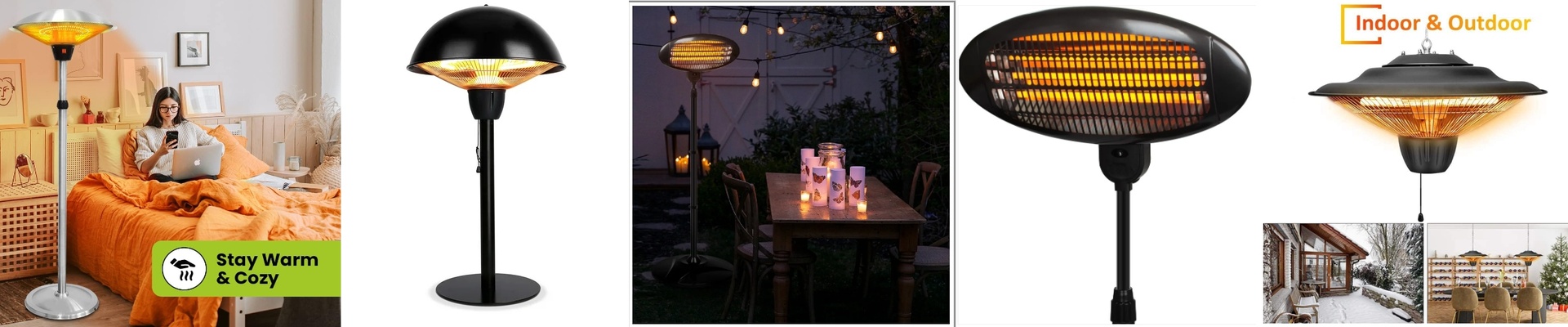
Here’s the problem with outdoor dining: physics is working against you. Most heaters try to warm up the air, but in an open space, that heat just floats away the second it’s created. You’re basically trying to heat the entire neighborhood. We do things differently. We use shortwave infrared heaters. Instead of fighting the wind, these units beam energy directly onto your guests’ skin and clothes. It’s like sitting in the sun on a crisp October day. Getting the placement right If you want people to actually sit outside in January, you can’t just throw a heater on the ceiling and hope for the best. If you mount them too high, the heat vanishes before it hits the table. You’ll see the orange glow, but you won’t feel a thing. We usually suggest a staggered layout. It gets rid of those annoying “cold spots” between tables, so your guests aren’t leaning away from the breeze or huddling together to stay warm. Why shortwave is the way to go These heaters use quartz elements that kick in almost instantly. No waiting around for a coil to glow. You can flip a switch or set up a sensor, and boom—instant warmth. Plus, shortwave radiation sinks in deeper than the old-school stuff. Even if a gust of wind rips through the patio, your guests still feel that core warmth. It keeps them comfortable. The real talk: Money and Power Let’s be honest: a freezing patio is just wasted real estate. It’s dead square footage that isn’t making you a dime. When people are warm, they linger. They order another round of drinks. They decide to stay for appetizers. It turns your outdoor space into a year-round money maker. But a word of warning—these things are power-hungry. If you’re installing a bunch of 2kW+ units, your electrical panel is going to feel it. Make sure your breakers and cabling can handle the load. There is nothing worse than a full house on a Friday night only for the power to trip because your wiring couldn’t keep up.