
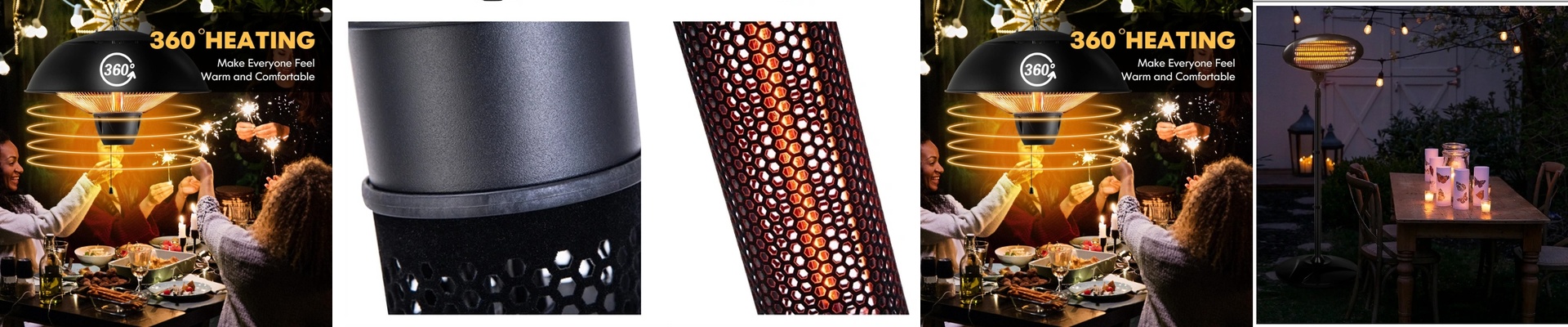
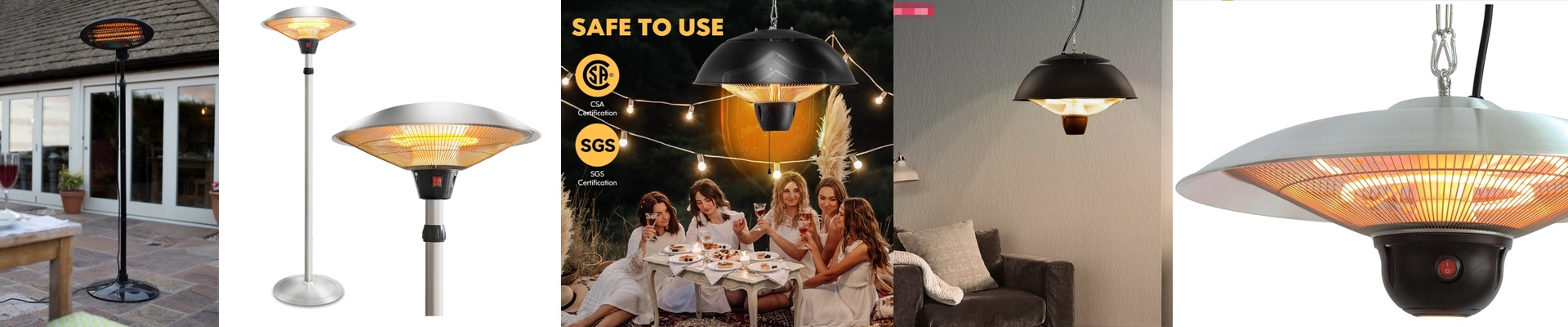
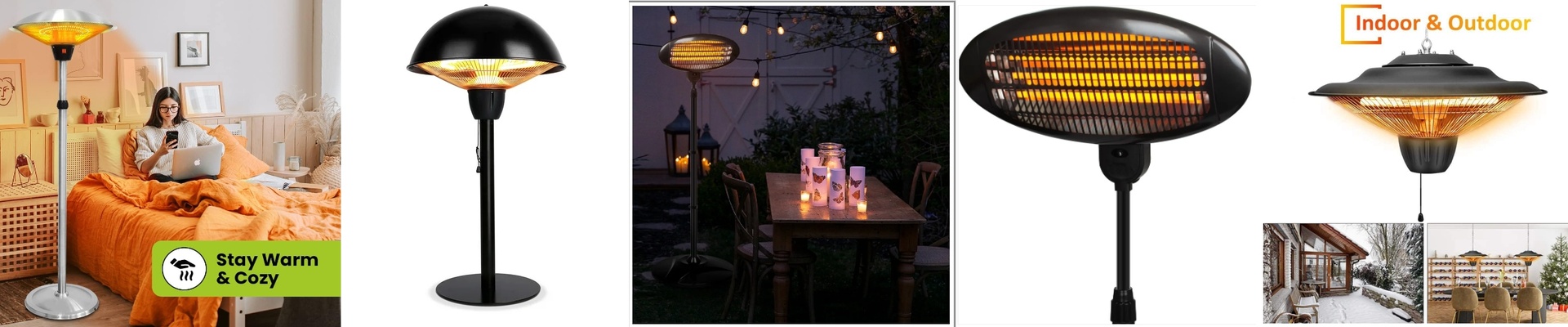

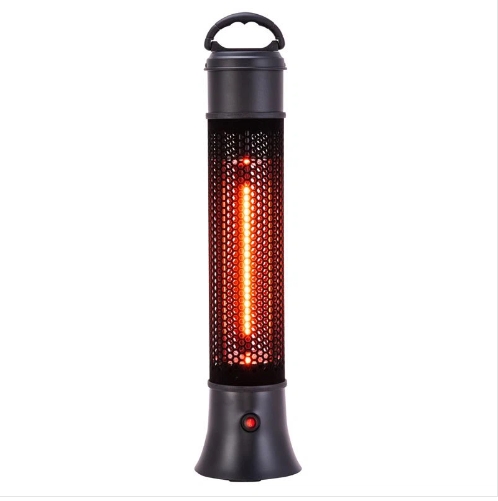
Step out of the shower and the air hits you—cold, clammy, with that damp-musty edge. That chill isn’t just uncomfortable. It’s the reason moisture hangs on to walls and grout, giving mold its opening. A standard electric heater warms the air, but air heats slowly and still carries humidity. We built our infrared bathroom heaters to go after the problem where it starts: the surfaces.
What matters, technically
We run short-wave infrared quartz elements that deliver radiant heat—traveling straight to people, tiles, and mirrors. You get surface warmth within seconds, so condensation dries faster. The lamps are built for bathroom duty, with sealed quartz tubes and an IP rating that can handle spray and steam. Pair it with a compatible wall thermostat, and you can hold a steady setpoint, instead of riding the temperature swings that keep dampness hanging around.
Why this approach works in a bathroom
Comfort matters, sure, but in a bathroom the bigger win is control. When surfaces stay above the dew point, beads of moisture stop forming. Less standing water means fewer spores setting up shop on grout, caulk, and corners. That means fewer scrub sessions and a more refreshing feel every time you step in. And because the heat is focused where you need it, energy use stays reasonable—especially during quick morning routines when the room is empty the rest of the day.
What to keep in mind
Infrared warms objects, not the air, so you feel heat right away while air temperature can lag. For the best results, size the unit to the room and aim the beam pattern toward the shower and vanity. Installation requires proper clearances, and in many setups the fixture has to be wired to a suitable in-wall thermostat. If you want voice control, go with the Alexa-compatible version and connect it through a compatible smart home hub. Expect bright, direct light while the heater is on—solid for task lighting, but not what you want for a night-light.