
Stop choosing between strong glass and sharp prints
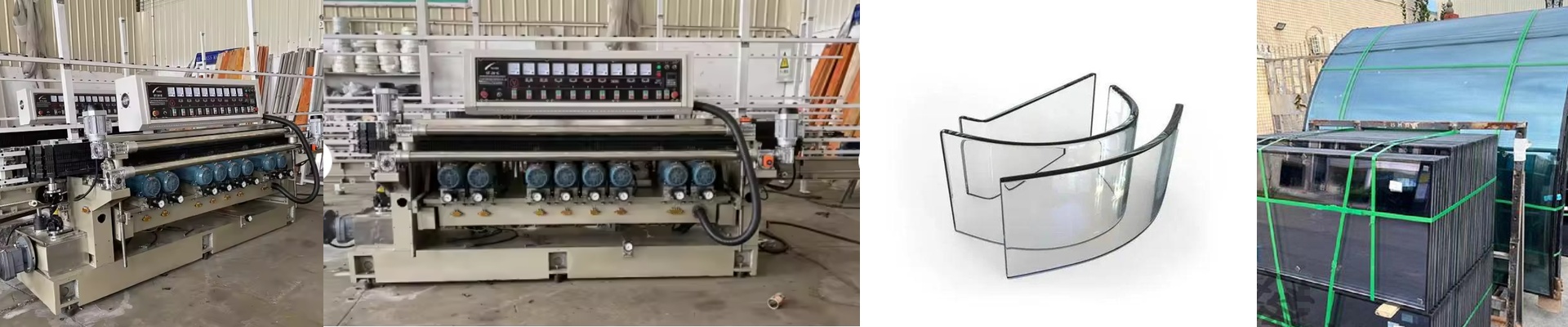
If you’ve ever tried to combine screen printing with tempering, you know the headache. It’s a constant tug-of-war. You need enough heat to make the glass strong, but if you push it too far, your ink starts to burn, bleed, or just look messy. It’s frustrating. You want a product that doesn’t break, but it also needs to look professional. Here is how we handle it: we use gold reflector plates and shortwave infrared lamps. Why gold? Most people use aluminum reflectors, but the problem is they soak up too much energy. They’re inefficient. Gold is different. It bounces infrared heat right back at the glass instead of letting it waste away into the furnace walls. Think of it as a tighter, faster punch of heat. Because the glass hits its tempering temperature so much quicker, the ink spends way less time baking in the oven. Less time in the heat means the patterns stay crisp. No more “hot spots” When heat is uneven, you get those annoying blurred edges or weird discolorations in your design. Gold reflectors smooth everything out. Instead of random spikes of heat, you get a steady, uniform glow across the whole sheet. It keeps the ink safe while the glass gets the strength it needs. The catch (because there’s always one) You can’t just slap gold plates into any old furnace and call it a day. Since these plates are so efficient, they pump a lot of heat density into the system. If your cooling system is weak, your furnace frame is going to overheat. It’s a bit of a trade-off. You get a better finish on the glass, but you have to make sure your machine can handle the extra load without breaking a sweat. What this actually looks like on the floor When you get this right, the window between printing and tempering opens up. You aren’t crossing your fingers and hoping for the best. You get the structural toughness you need, and your designs stay sharp and clean. It honestly comes down to how you move the light, not just cranking the power dial to the max.