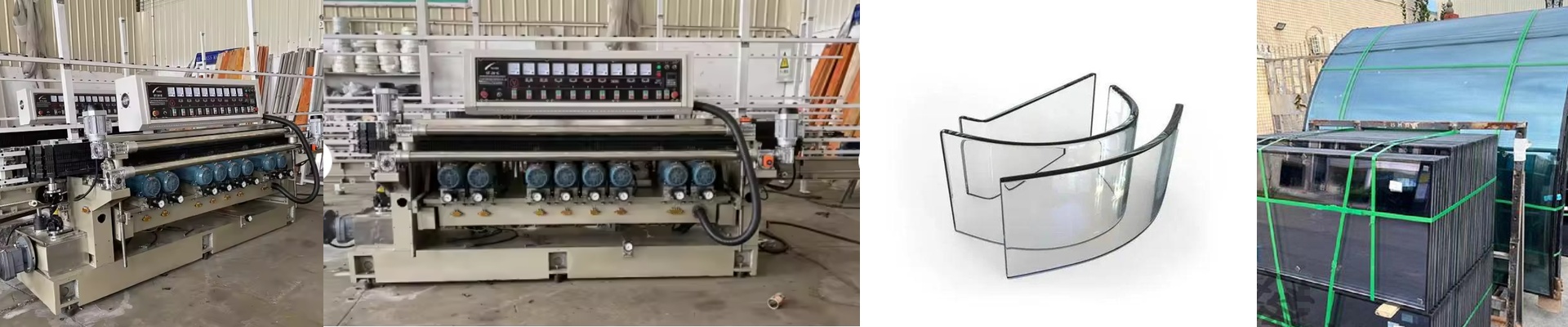



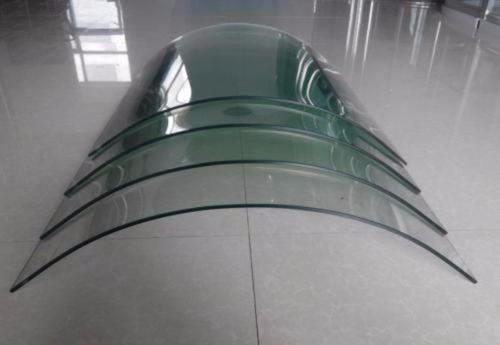
Cutting through ultra-thick glass is a nightmare for your equipment. If you’ve ever tried to score cold, thick plates, you know the feeling. The cutting wheel just takes a beating. It fights the material, wears down fast, and burns out way sooner than it should. We found a better way. Instead of forcing the wheel to do all the heavy lifting, we use shortwave quartz halogen emitters to soften the glass right where the cut happens. Here is how it actually works. Most heaters are useless for thick glass. They either bounce right off the surface or only heat the very top layer. Our quartz halogen bulbs are different. They put out shortwave infrared (SWIR) radiation, which actually sinks deep into the glass. By focusing that heat right on the cutting line, you change the glass. It stops being a brick and starts acting more like plastic. The wheel doesn’t have to fight anymore—it just glides through. The gear behind the heat. We don’t cut corners on the build. We use high-purity quartz envelopes because the temperature swings are brutal. Inside, there’s a tungsten filament in a halogen cycle. That’s a fancy way of saying the bulbs won’t turn black and dim over time. You need a lot of power packed into a small space to get the glass soft quickly. If you’re too slow, the heat just bleeds out into the rest of the plate, and you’re basically just wasting electricity. The payoff (and the catch). When the glass is pre-softened, your tools last much longer. You get a cleaner break, and those annoying micro-fractures mostly disappear. It’s a huge relief for your maintenance budget. But look, there is a trade-off. Putting this much heat in one spot creates a massive thermal load. If your cooling system isn’t up to the task, you’re going to have problems. You might warp your mounting brackets or keep tripping your thermal sensors. It’s a balancing act. You have to get the distance between the emitter and the glass just right—close enough to soften the core, but not so close that you scorch the surface.