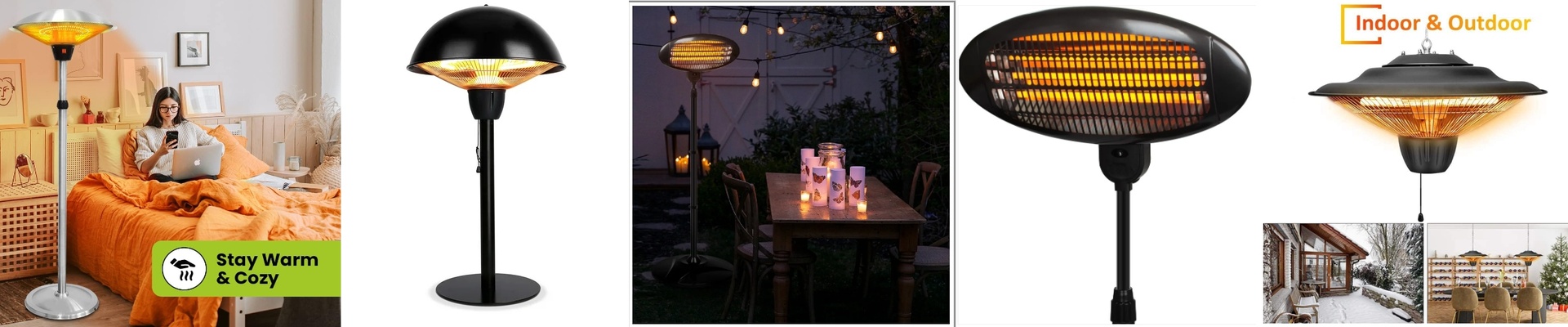
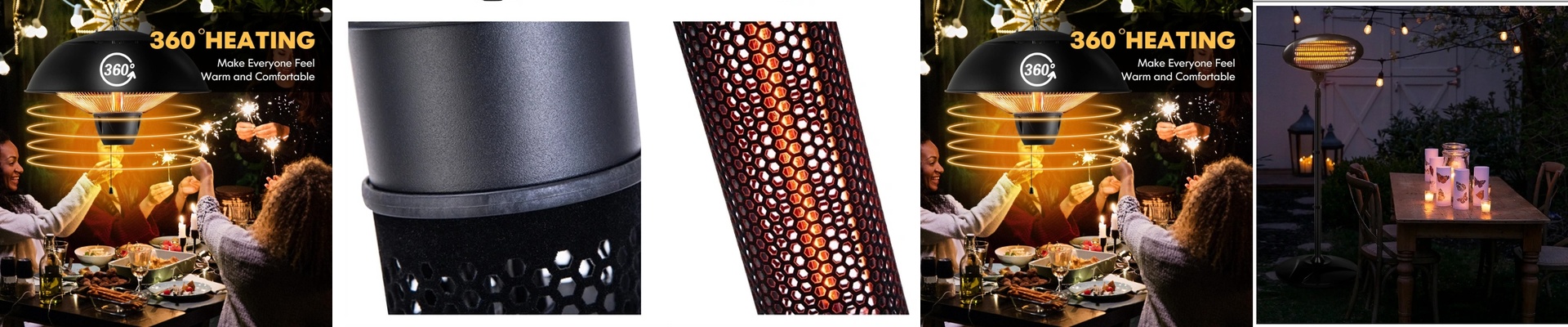

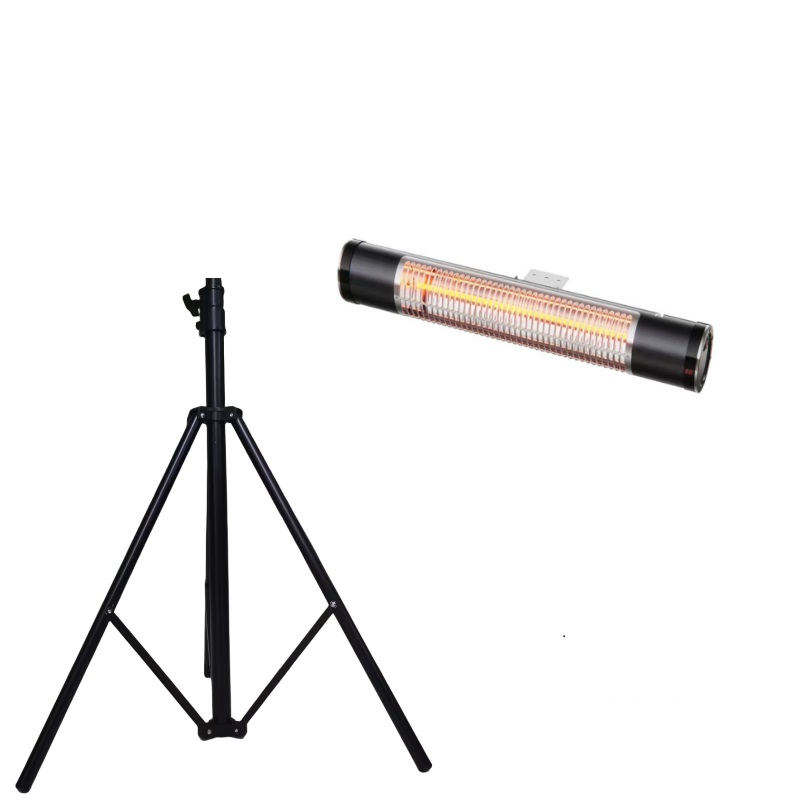
Glass is what makes an attic sunroom special—and it’s also why the place turns into a refrigerator the minute the air gets crisp. Standard heaters push warm air around, and that heat just pours straight out through the glazing. You feel the draft, the system chases itself, and comfort disappears. Infrared heaters go about it differently: they warm people and surfaces first, so the room feels steady even with big walls of glass. What actually matters, technically Infrared heaters for home use run on radiant heat, not convection. We typically use a carbon fiber element or a quartz tube to deliver medium-wave infrared warmth—you feel it within seconds. Output is measured in watts: a 1500W model is enough for a typical sunroom, and a 2000W unit handles larger spaces. Plug it into a standard outlet, dial in the temperature with the built-in thermostat, and you get the basics covered—tip-over protection and an overheat cutoff. It’s silent, it’s immediate, and the heat lands right where you need it. Here’s why this approach works under glass: heat loss is constant. Infrared passes through the air without heating it, so you don’t waste as much energy fighting the cold glass. Instead, it warms floors, furniture, and you directly, which creates a stable comfort zone. No more cycling between blasts of hot air and long, chilly gaps. The payoff is a room you can actually use year-round, with lower running costs and a more consistent feel. A couple of things to keep in mind. Infrared heats objects and people, not the air, so you can feel warm while the air temperature stays cooler. For the best result, aim the heater at the primary seating area, and consider using multiple units to even out coverage. Clearance matters—keep the unit at least 3 feet from anything combustible. Most models are intended for indoor use; if you need coverage near an opening, pick a unit rated for damp locations or add a weatherproof cover.