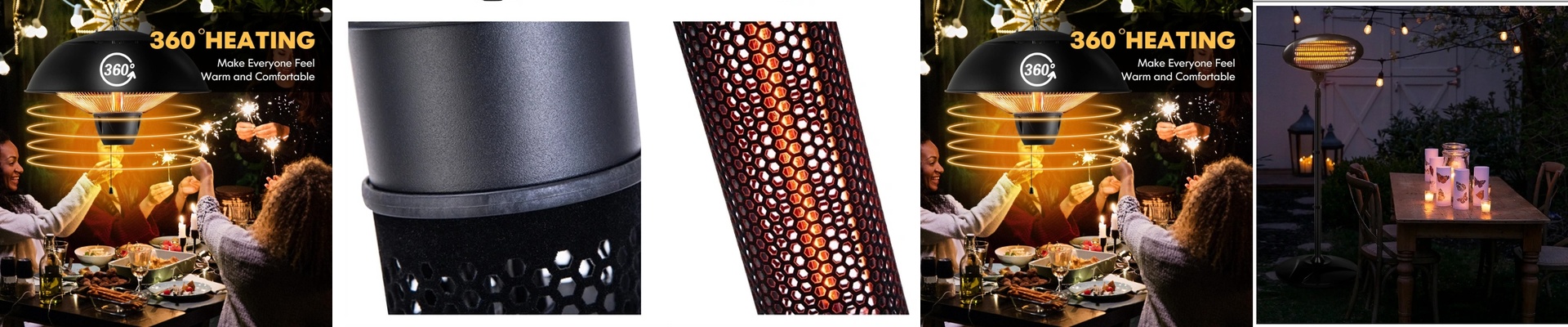
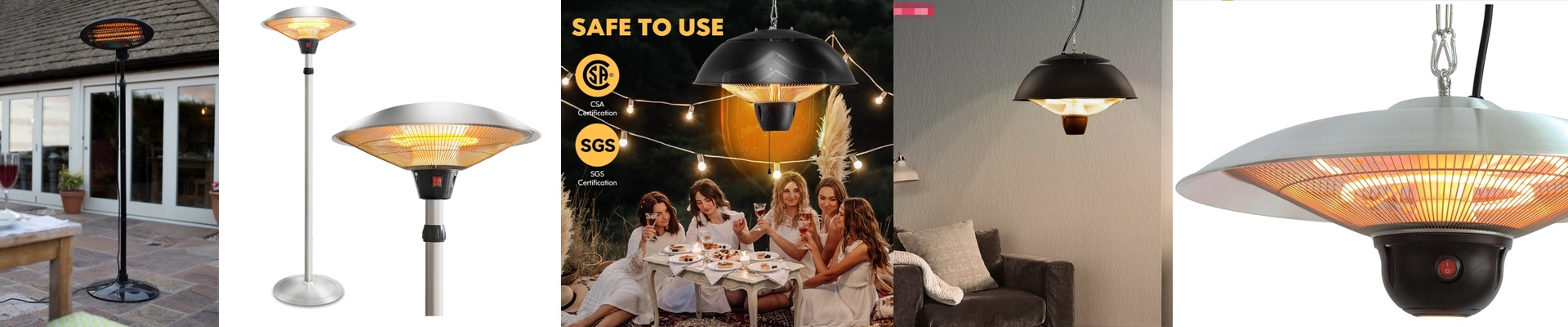

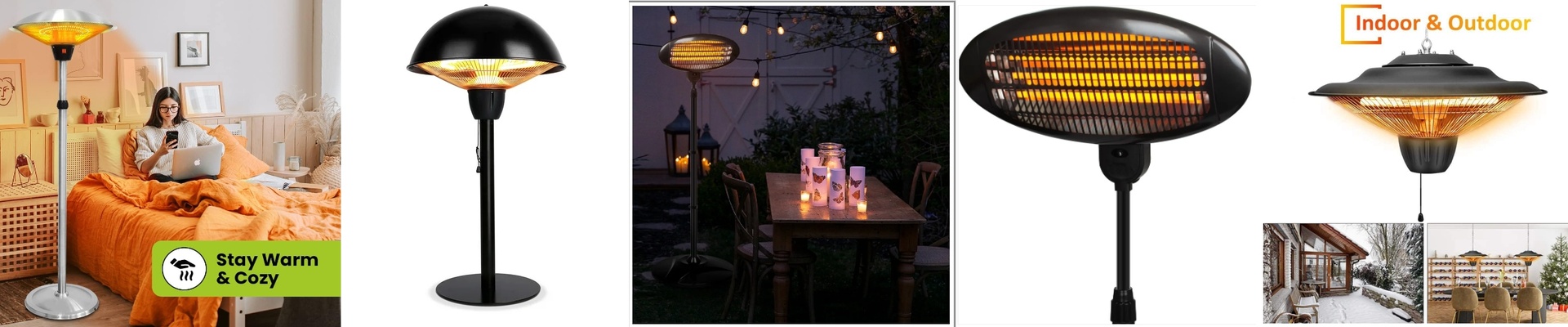
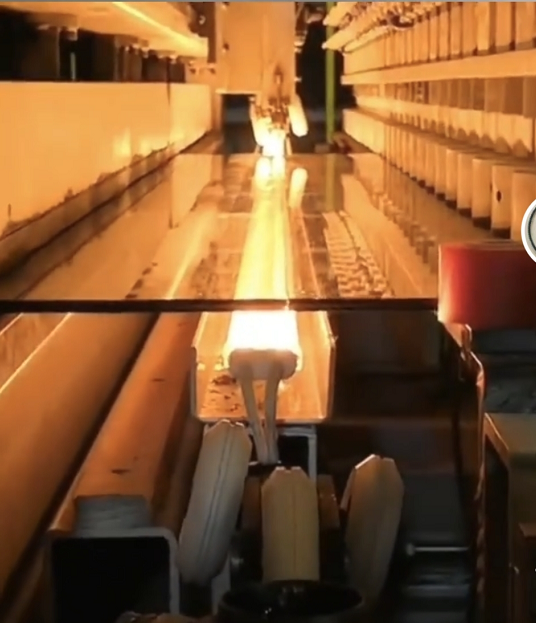
On the line, a crack doesn’t care what time it is. It shows up the moment thermal shock hits during tempering, when the sheet won’t take the bend in hot forming, or when the lamination cycle drags and the interlayer cures unevenly. We built our infrared lamp around one practical goal: get predictable heat in fast, without stressing the substrate. What matters technically It’s short-wave infrared with a quartz envelope, tuned for quick response and high power density. The spectral output is matched to how glass absorbs, so the energy goes into the surface without overdriving convection. The footprint fits standard mounting, with solid terminals and a shielded lead that can take plant conditions. The payoff is a tight thermal profile—fast ramp, crisp control, and repeatable uniformity across the heating zone. Why it works where we run In hot bending, the lamp gets the glass into the forming window fast, cutting dwell time and keeping edge strain from creeping in. In tempering, it preheats before the quench, smoothing the transition and lowering the risk of thermal shock fractures. For EVA/SGP/PVB lamination and coating drying, it cures the layer evenly, so you avoid bubbles, haze, and weak adhesion that come from heat that’s slow and uneven. The result is shorter cycles, fewer rejects, and less energy pulled—steady, high-throughput work. The things you’ve got to get right Infrared is line-of-sight. Reflection and shadowing from fixtures or conveyor parts can create cold spots, so alignment and spacing have to be checked at setup. We give clear mounting and aiming guidance, but the lamp performs best when the heating zone is clean, unobstructed, and matched to the part geometry. Expect faster heating and tighter control—only if you treat optics and clearance as part of the process.