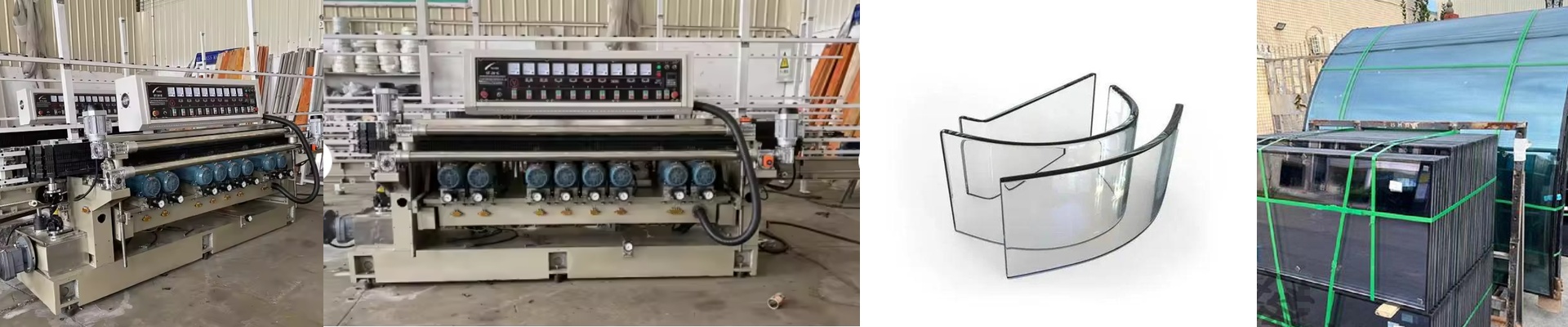

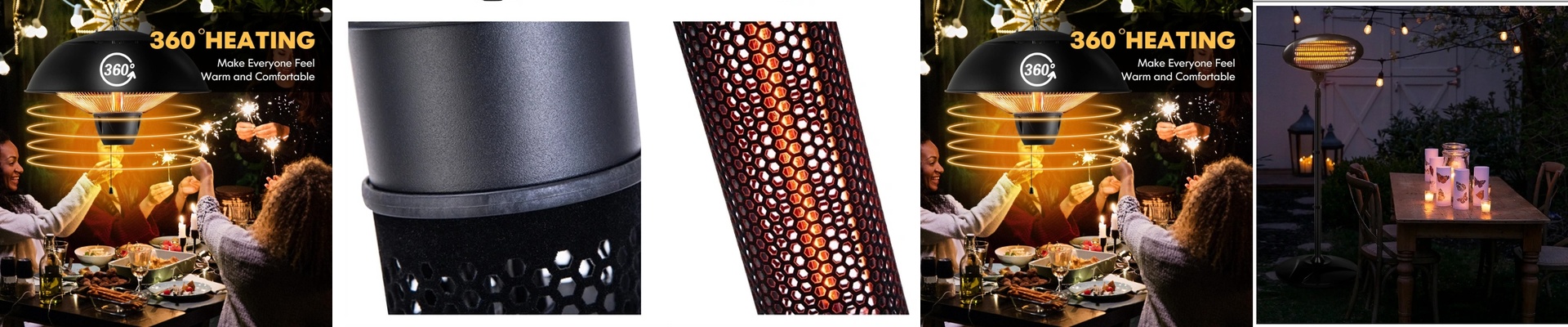
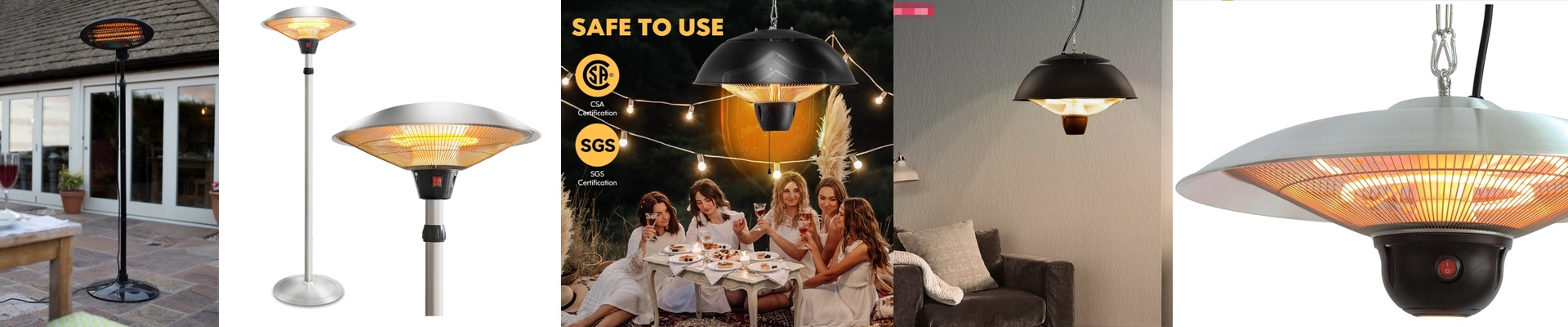

On the line, a bending furnace that’s always chasing temperature across the zones doesn’t just kill cycle time—it writes scrap tickets. Glass doesn’t forgive uneven heat; thermal gradients turn straight into stress, and stress shows up as breakage or optical distortion. A precision glass bending lamp cuts that variability at the root by putting controllable, repeatable heat right where the bend profile needs it. What actually matters under the hood We’re talking a quartz short-wave infrared emitter—fast response, high power density, and it doesn’t lean on convection to do its work. Heat follows the glass surface, not the air. We hold hot-zone uniformity tight, so the center and the edges see the same energy density. Output is adjustable in small increments, so you can build repeatable recipes across thicknesses and coatings without guesswork. It fits standard mounting and termination on glass processing lines, and the housing is built to live through the thermal cycling and vibration of a real production cell. Why it behaves in bending the way it should The first minutes are the ones that lock in shape. With fast, even heating, you shorten the soak window, pull the glass at the right viscosity, and keep dimensions consistent shot after shot. First-pass yield climbs and rework drops. Energy use falls because the lamp heats the glass directly, not the whole chamber. Safety gets better too—stable control means fewer runaway heating events, fewer emergency stops, and less operator intervention. What you need to watch on install and in the field The emitter runs hot, so clearance to nearby fixtures and insulation isn’t optional—measure it twice. Confirm mounting orientation and the airflow path before you button things up, and match the power supply to the lamp’s current draw. You’ll get a shorter warm-up than with resistance heaters, but treat terminals and reflectors to routine inspection, especially in dusty or humid environments. This is a production tool. Treat it like one. When the lamp holds the curve, the line keeps its pace.