


Let’s cut through the noise and talk about what actually matters.
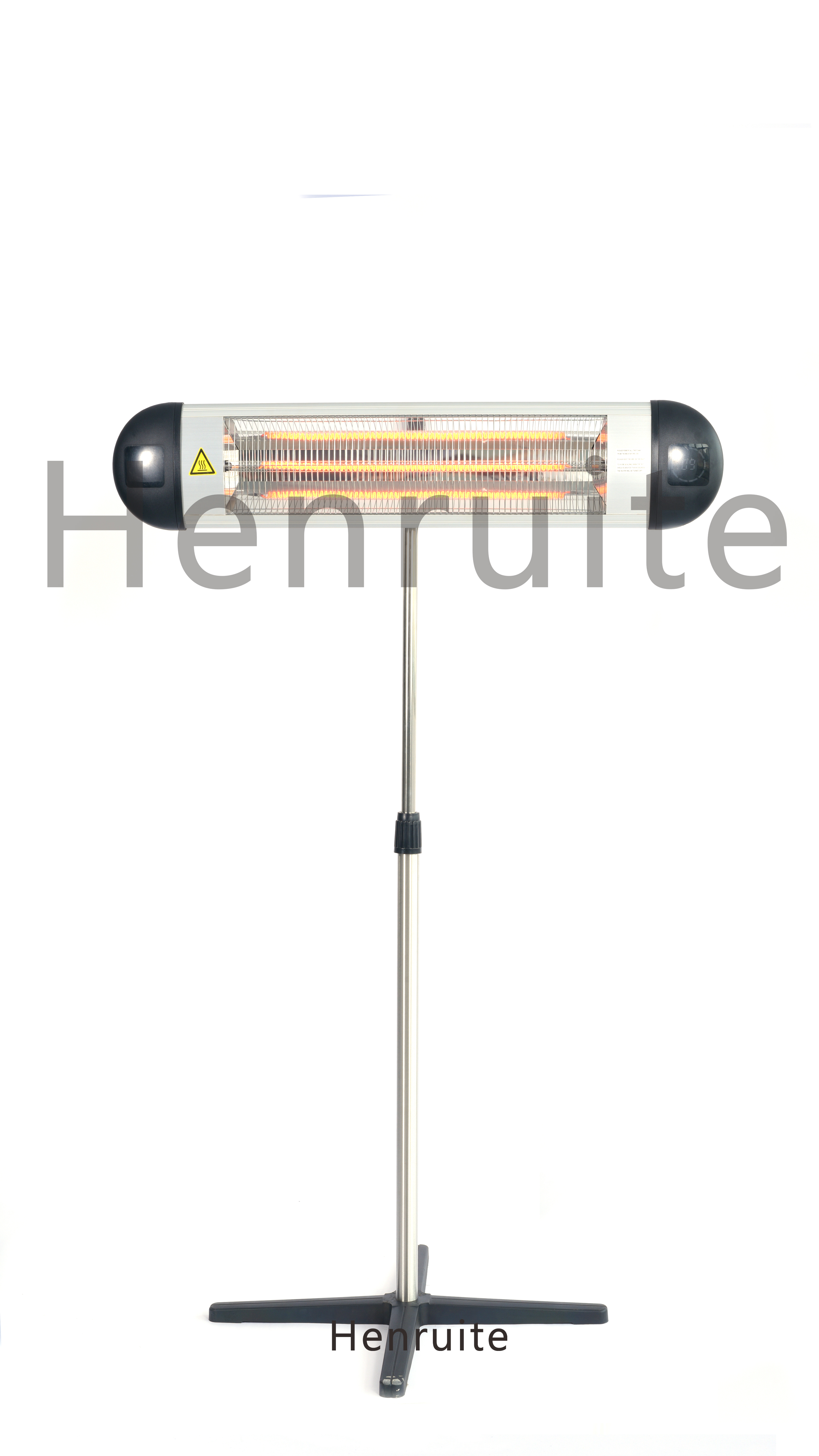
We built our best-selling infrared towel rail heater for the one place that gives most heaters a hard time: the bathroom. The spa. That steamy, wet environment where ordinary units throw in the towel. This thing is designed to get straight to the point. It throws out fast, focused heat—right where you need it—without taking up a ton of space. It runs on standard voltage, so you get steady, dependable warmth for your towels, every single time. And the fit? It’s made to slip right into the standard towel rail frames most people already have. That means a straightforward swap, less time wrestling with the install, and way less strain on those mounting points.
The secret sauce is in the build.
Here’s the thing about bathrooms: moisture wins. So we designed this heater to fight back. The quartz envelope has a special coating that shrugs off thermal shock and keeps condensation from clouding things up. That anti-fog layer doesn’t just keep the light clear—it stops moisture from causing shorts. The R7s connector is the backbone of the whole setup. It’s built to stay tight and reliable, even when things heat up, cool down, and heat up again. And the whole unit is sealed tight. It’s splash-proof, with an IP rating that blocks low-pressure water jets. That means water can’t sneak inside and wreck the guts of the heater—the number one way units fail in humid spots.
How it holds up when the rubber meets the road.
We’ve all seen it. Traditional bathroom heaters die young because moisture gets in, corrodes the inside, and causes electrical failures. With this design, the internal circuitry stays dry, even when it’s face-to-face with steam and splashes. The payoff? A much longer lifespan. Fewer maintenance calls. Fewer replacements. Now, there is one thing to keep in mind: heat density. This is a powerful unit, so it needs a little breathing room. Keep it clear of anything flammable, and make sure the area around it is ventilated. That way, the enclosure doesn’t get overworked. Follow those simple guidelines, and you’ve got a heater that just keeps going. For engineers specifying equipment, it means fewer headaches, performance you can count on, and a tough, reliable solution for the wettest heating jobs.