
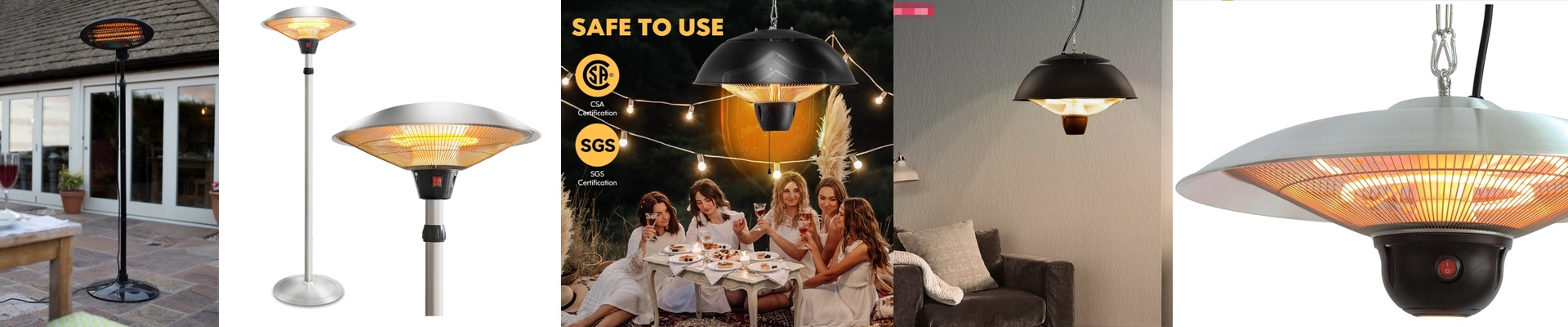


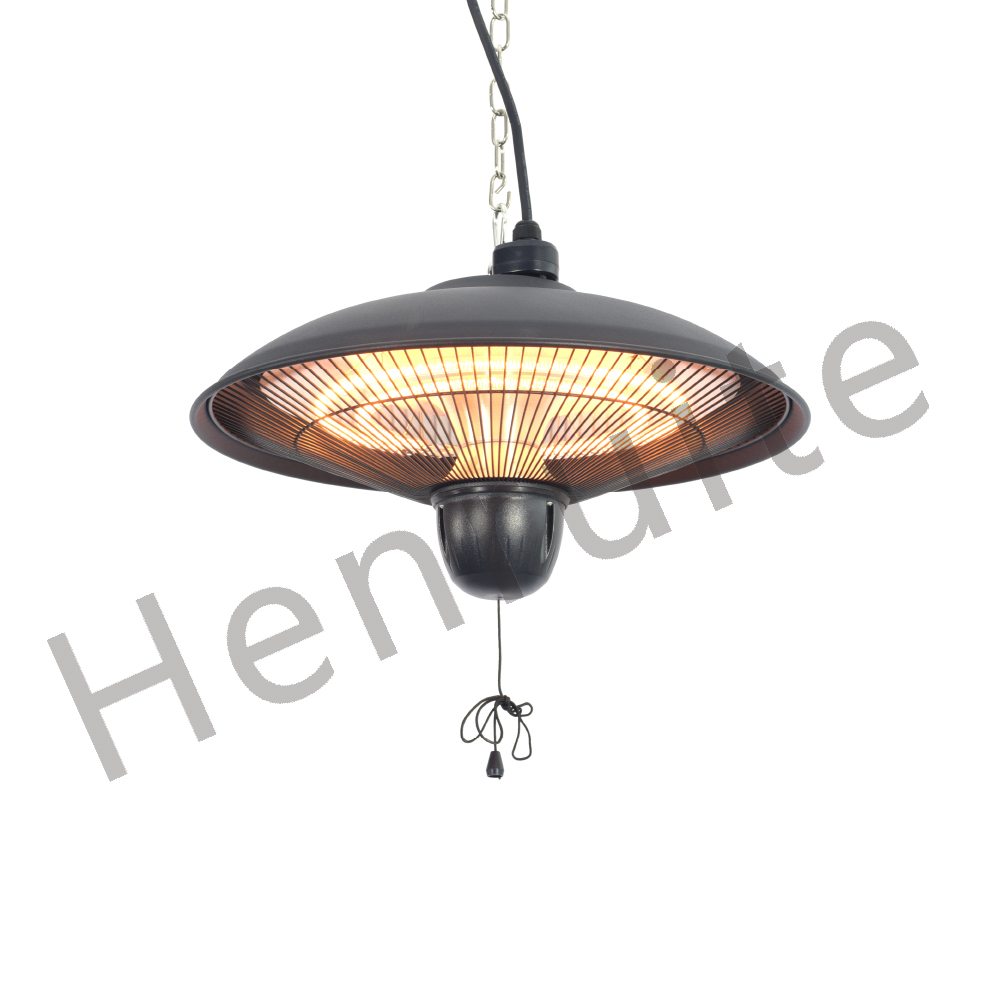
Wall-Mounted Infrared Heaters: How Spectrum Technology Slays Bathroom Mold
Let’s talk bathrooms. You know the drill—steamy mirrors, damp towels, and that sneaky mold that seems to grow overnight. We built our wall-mounted infrared heaters to fix that mess, not just to make the room feel warm. The real goal? Hitting the mold at the source: the wet surfaces that never seem to fully dry. Here’s the secret: we don’t just warm the air. We use a specific spectrum that dries surfaces fast, like hitting the reset button on moisture.
Power, Voltage, and Heat That Actually Hits the Spot
These heaters are compact, but they punch. We designed them to deliver serious heat density without taking up space. And the best part? They run on standard voltage, so installation is straightforward. No major rewiring. No headaches. Just wire it in and you’re good to go. The wattage is tuned to deliver radiant heat right where you need it—walls, floors, fixtures. Why does that matter? Because bathroom humidity loves to cling to cold surfaces. Warming the air alone leaves those spots wet, and that’s where mold spores throw a party. By focusing heat where moisture collects, we cut condensation at the source. One thing to keep in mind: high output means the area around the unit heats up quickly. Make sure you plan for proper ventilation and clearance, so everything runs safely and smoothly.
The Gear Behind the Magic: Quartz, Coating, and R7s
We use quartz tubes because they handle rapid heating and cooling without breaking a sweat. They stay steady, and that reliability matters. These tubes emit shortwave infrared, which cuts through thin films of moisture and drives water off surfaces faster than regular convection heat. Inside, the filament and reflector coating are matched to keep the spectrum output consistent over time. So you don’t get performance drift, even after countless on/off cycles. For installation, we went with an R7s base. It’s a standard fit, so swapping in is simple. It fits right into common wall-mount fixtures, which means less wiring complexity and less downtime.
The Payoff: Fewer Scrub Sessions, Healthier Air
In a bathroom, this heater is like a targeted drying tool. It keeps walls and floors above the dew point, so surface wetness doesn’t feed mold. The result? Fewer outbreaks on grout, corners, and fixtures. And the air feels better, too. Less surface moisture means fewer mold spores and less of that musty, stale smell. You get a calmer, cleaner environment—one that needs fewer harsh cleaners and less elbow grease. If you’re picking a wall-mounted heater for a bathroom project, size the unit to the surface area and match the voltage to the building circuit. This isn’t just about comfort. It’s about stopping the moisture that causes mold before it even starts.