

Getting Infrared Heat Right for Long Glass Tunnels
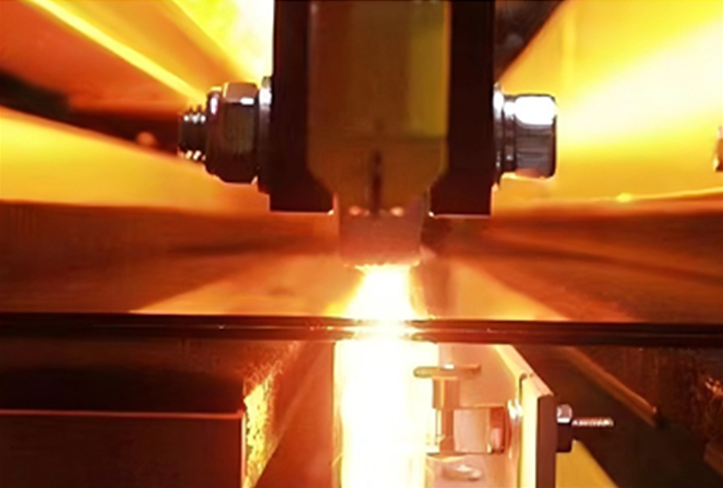
If you’re heating glass for molding in those massive tunnel kilns, you know the struggle. The biggest headache is the “dip.” You can’t have your heat profile dropping off between lamps, or you’re looking at inconsistent glass and a lot of wasted material. When your span hits over 2 meters, the stuff you buy off a shelf just doesn’t work. That’s why we build custom, continuous infrared units. The goal is simple: kill the cold spots and keep the heat steady across the whole piece. The battle with power and length Here’s the thing about lamps longer than 2 meters—they get temperamental. You start dealing with voltage drops and thermal expansion that can ruin a run. To stop the filaments from sagging or burning out right in the middle, we spend a lot of time dialing in the wattage and voltage. We use high-purity quartz tubing because it can actually take the beating of continuous operation. One tip: keep an eye on your power supply. If it’s not balanced, your end-of-line lamps might run hotter than the ones in the center, and then you’re right back to square one with uneven heat. Going “gapless” We designed these to fit together like a puzzle. By using custom end-caps and precision connectors, you can wire them up in one long, continuous row. It gets rid of those annoying radiation gaps you see in modular systems. Plus, we usually go with shortwave infrared. It punches through the glass surface much faster, which means your glass spends less time sitting in the tunnel. A few things to watch out for Now, these long lamps put out an incredible amount of heat, but they’re fragile. Seriously. One wrong move or a clumsy bump during installation and you’ve got a cracked 2-meter quartz tube. It’s a nightmare. You’ll want rigid mounting brackets, but they have to be flexible enough to let the metal expand as it heats up. And one last thing—don’t forget the air. When you crank up the lamp density, your exhaust system has to be able to pull that ambient heat out. If it can’t, you’ll end up frying your control electronics.