

Getting Infrared Heating Right for Long Glass Lehr Tunnels
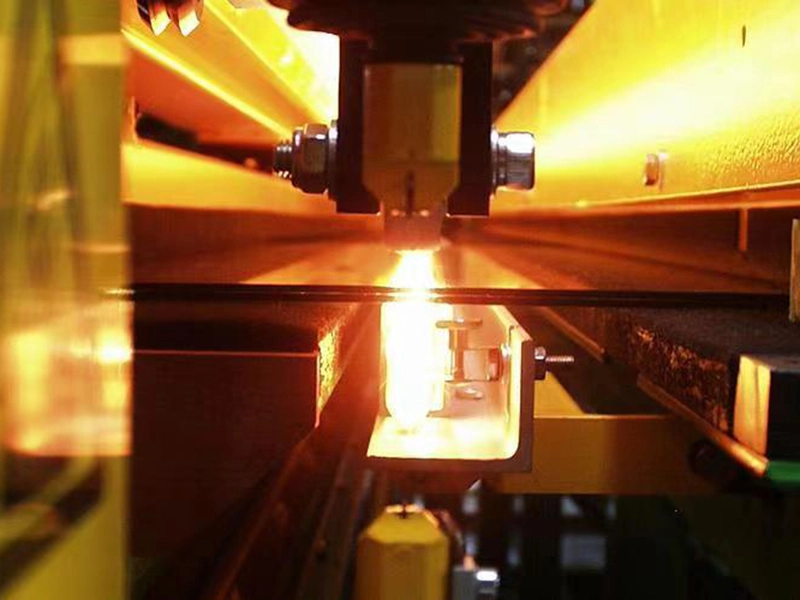
Here is the problem with standard infrared lamps: they have a limit. Once they get too long, the quartz tube gets fragile and the voltage drops, leaving you with annoying cold spots. In a long glass lehr tunnel, that’s a nightmare. You need heat that doesn’t quit, or your glass is going to stress and crack during annealing. We handle this by building custom units that push past the 2-meter mark. How we handle the power If you just stretch a single filament over two meters, you’re asking for trouble. The heat becomes uneven. Instead, we use a continuous array of high-wattage quartz lamps wired in a series-parallel setup. It’s a simple way to keep the wattage steady across the whole footprint. You get the same heat at the very end of the run as you do at the start. No surprises. The build quality We use heavy-wall quartz tubing because, at high temperatures, cheap glass sags. We can’t have that. We also build these for a continuous layout. By getting rid of the gaps between heating elements, we stop “striping.” You know those frustrating cold lines that show up on the glass surface? Yeah, those disappear when the heat is actually uniform. For the guts of the machine, we use industrial-grade connectors. Thermal cycling is brutal on wiring, and these are built to take the hit without burning out. We usually keep the housings open-frame so they react quickly, but if your tunnel airflow is a mess, we can add some shielding. A few things to keep in mind Putting this much heat into a 2-meter run is a big ask for your power grid. Just make sure your electrical panels can handle the initial inrush current. And a heads-up: these units put out a massive amount of heat. If your lehr’s outer shell isn’t insulated well, you’re basically heating the whole shop floor. That’s a waste of energy, and it’ll force your cooling fans to run non-stop just to keep your electronics from frying.