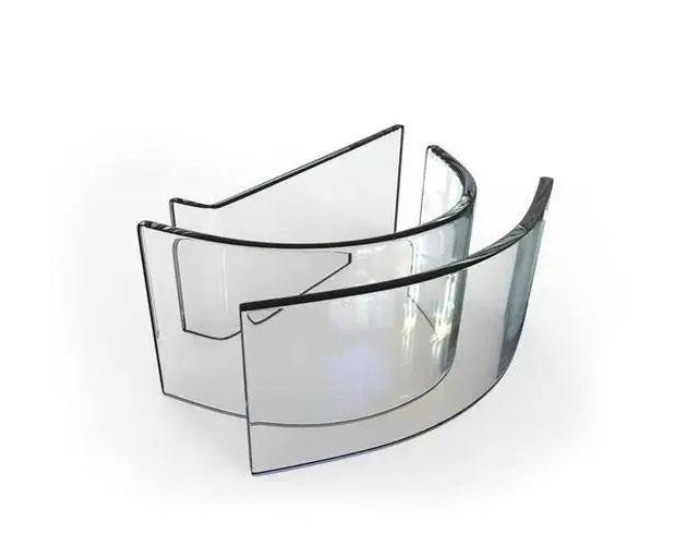
Why 0.1°C Infrared Preheating is Non-Negotiable for Lab Glass Annealing
We build industrial infrared heating systems for one simple reason: to stop stress fractures before they even show up. When you’re working with lab-grade glass, the margin for error is hair-thin. One tiny, almost invisible fracture can ruin the whole batch. So we don’t just aim for precision. We demand it. That’s why our infrared emitters are built to hold a temperature within 0.1°C. It’s not a fancy add-on. It’s the bare minimum for keeping stress under control.
Precision Under Pressure
Annealing lab glass is all about riding the thermal curve. You have to hit the strain point, hold steady, and then cool down gently—no shocks, no surprises. Standard heating elements just can’t give you the fine control you need. Our system can hold that 0.1°C because infrared responds instantly. No lag. No overshoot. Those are the two silent killers of glass integrity, and we shut them down. We also match the power to the job. The wattage and voltage are tuned to the specific thermal load of your glass vessel. So you get consistent energy delivery, not just maximum power.
Built to Handle the Grind
At the heart of the system is the shortwave infrared emitter. It’s wrapped in high-purity quartz, which transmits infrared cleanly and handles rapid heating and cooling without flinching. Inside, the filament is tuned for quick response, so the system can make tiny adjustments on the fly to keep that 0.1°C setpoint locked in. And the connectors? They’re built for the real world. Heavy-duty, industrial-grade connections that handle high current without coming loose or getting hot. It’s a drop-in component that just keeps going, cycle after cycle.
What It Actually Does for You
When you wire this into your annealing process, you’re taking direct control of the main cause of stress fractures: uneven heating. That 0.1°C precision stops hot spots from forming. The whole surface of the glass reaches the target temperature evenly. The payoff is a process you can count on. Fewer rejects. Higher yield. Yes, the system is more complex. The high heat density means you need a properly spec’d cooling setup to keep the chamber temperature in check. But if you’re serious about lab glass quality, there’s really no other way to do it.