
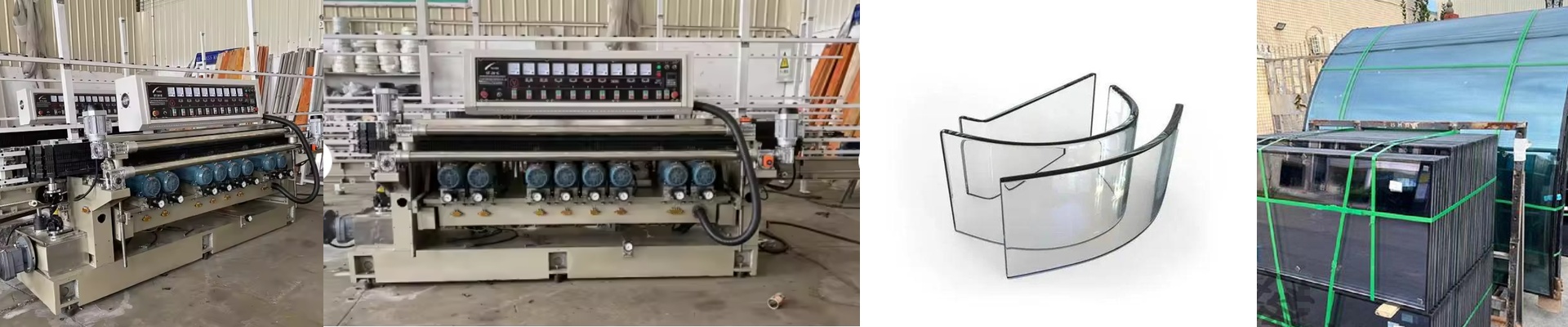
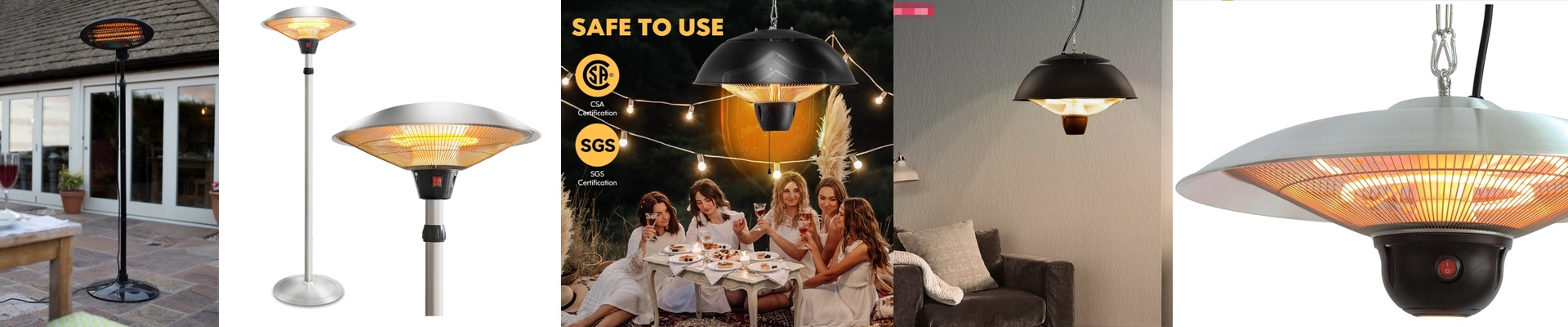

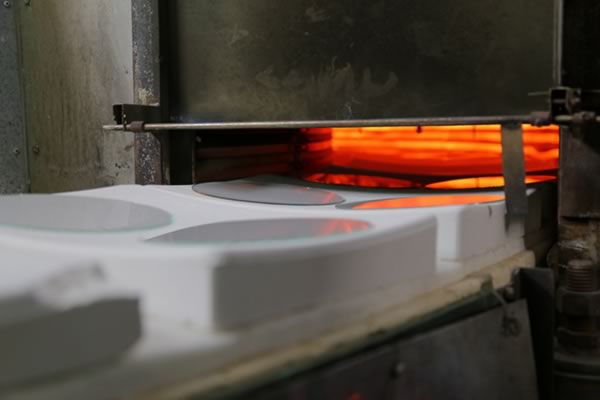
On the line, seconds are money. Leave a coating or adhesive wet, and you’re staring down haze, adhesion issues, and scrap that hits both yield and safety. Convection ovens heat the whole pane, and that takes time you don’t have. We run a non-contact glass drying lamp that hits the surface with near-infrared (NIR) energy. Drying happens in seconds without cooking the bulk. What’s under the hood, technically The unit uses a quartz-halogen NIR emitter array tuned for fast energy delivery. It jumps from ambient to 350°C in 2.5 seconds, so idle-to-process time on high-speed lines stays tight. Temperature uniformity across the drying zone is ±3%, measured on a 2400 mm × 3300 mm pane grid. That keeps film stress even and helps prevent optical distortion on tempered and curved parts. Power density hits 45 W/cm², so the energy lands fast, not diffused. The system runs on 400 V three-phase and pulls 36 kW at full duty. The beam profile is adjustable in steps to match different coating emissivity and line speeds. Why it plays well where we work In coating and lamination cells, the film has to be dry before it hits the next station. NIR penetrates the wet layer and drives solvents out from the top down, so you get a dry surface without trapping moisture underneath. For automotive windshields, that means fewer bubbles and less rework in the autoclave. For architectural insulating glass, the sealant cure profile stays consistent, which cuts down rejects from edge adhesion. You end up with higher throughput, a smaller footprint, and lower gas bills because the oven load is reduced. Here are the practical details you need Because the energy is direct, the lamp needs a clean line-of-sight and consistent pane spacing. Keep the emitter-to-glass gap between 150–250 mm to hit the stated uniformity. Reflectors have to stay clean—even a thin film buildup drops output fast. It’s not a plug-and-play swap for every oven slot; check clearances and the control interface. When you match it to the right conveyor and interlocks, it runs 24/7 with predictable maintenance intervals.