
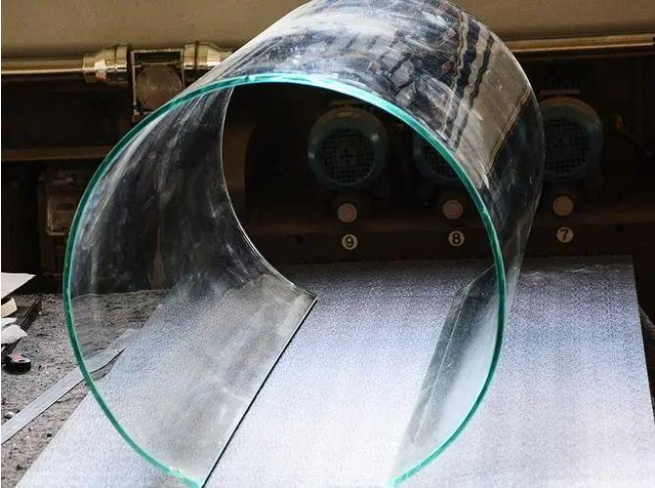
Stop the Cracks: A Better Way to Handle Thermal Shock in Glass
Anyone who’s worked with glassware knows the nightmare of the “snap.” You’ve got your glass soaking in high heat, you move to cool it down, and—crack. If that temperature drop happens too fast or hits one spot harder than another, your piece is scrap. The trick is all in how you handle the transition. We use long-life infrared heating tubes that can change power levels on a dime to keep that thermal shock from happening.
The Secret is in the Control
You can’t just flip a switch or rely on old-school mechanical shutters. That’s too slow. Instead, we pair these tubes with SCR power controllers. Think of it like a dimmer switch, but way faster. We’re talking millisecond adjustments. Rather than just killing the power, you can slide the wattage down in a smooth curve. This keeps the glass surface just warm enough to stay safe, avoiding that critical stress point where things usually break.
What’s Actually Inside the Tube?
We build these using high-purity quartz and a halogen cycle. Here is the cool part: the halogen gas actually grabs tungsten from the tube walls and pushes it back onto the filament. It keeps the filament centered and stops it from wearing out, even when you’re constantly ramping the power up and down. These tubes are designed to hit tempering temperatures almost instantly. But, because they pack so much heat into a small space, they run hot.**Really hot.**Make sure your housing has plenty of airflow. If it doesn’t, you’re looking at warped quartz or melted sockets, and nobody wants to deal with that.
Real-World Setup
When you’re wiring these into your line, watch your power supply. Rapidly modulating power can cause voltage spikes, and those spikes will eat your filaments for breakfast. I always suggest using dedicated filtered lines to keep things steady. The best part? These are drop-in replacements for standard IR lamps. You don’t have to rebuild your whole line. You just get faster cycle times and way less scrap in the bin. One last tip: keep an eye on your reflectors. If they start to oxidize, your heat won’t hit the glass evenly. You’ll start seeing cold spots, and that’s when the cracks come back. Keep them clean, and you’re golden.