


Why Fast-Response IR Lamps Keep Your Glass Line Moving
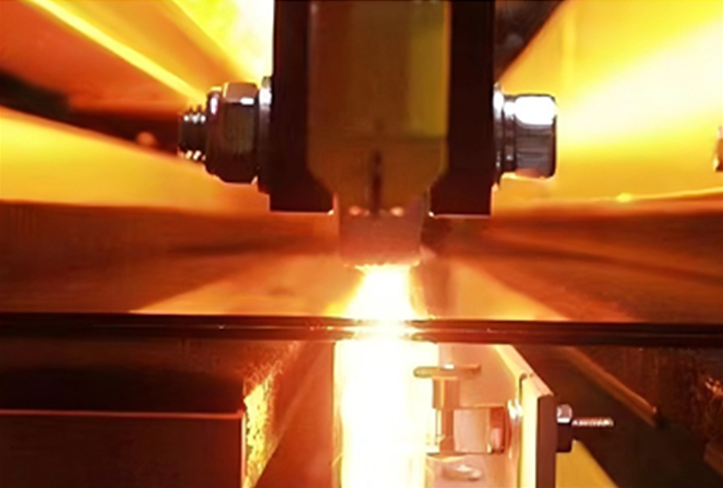
Making glass tubes is a bit of a balancing act. You have to get rid of all those internal stresses so the glass doesn’t shatter, but if you mess up the heat, the whole thing warps. Old-school ovens are a pain. They take forever to warm up and even longer to cool down. That’s why we use shortwave IR lamps. They’re nearly instant. You can go from a dead-cold start to full annealing temperature in a few seconds. It’s fast. Really fast. And that changes everything for your workflow. The secret is in the Response time When your glass is moving on a line, you can’t afford to wait around for heating elements to “catch up.” That lag is a production killer. Shortwave IR is different because it doesn’t just sit on the surface; it sinks right into the glass and turns into heat from the inside out. Since the lamps hit their peak temperature almost immediately, we can set up “zones.” You can dial in exactly how much power you need for pre-heating, then the soaking phase, and finally that critical controlled cooling. It’s a much smoother ride for the glass, which means way fewer cracks and wasted material. The gear under the hood We build these lamps with high-purity quartz. Why? Because the heat flux is intense, and regular glass would just give up. Depending on how fast your line is moving, you’ll have to play around with the wattage and voltage to hit that sweet spot. If you’re working with thick-walled tubes, you’ll need the heavy hitters—high-wattage lamps—but just keep an eye on your power supply. They’re hungry for energy. We also stick with R7s or Sk15 connectors. They make swapping lamps a breeze. When one finally burns out, you just pop a new one in and keep going. No one wants to shut down an entire production line just to change a bulb. The catch (because there’s always one) Here’s the thing: fast-response IR is great for keeping things moving, but it isn’t a “set it and forget it” kind of deal. Because the heat is so concentrated, your housing and reflectors have to be spot on. If your cooling fans are weak or your ventilation is clogged, the heat builds up around the sockets. That’s a quick way to fry your electronics and kill your lamps way sooner than they should die. You’ve got to find that balance—pushing out maximum IR heat while keeping the guts of the system cool. Simple, but it’s where the real engineering happens.