

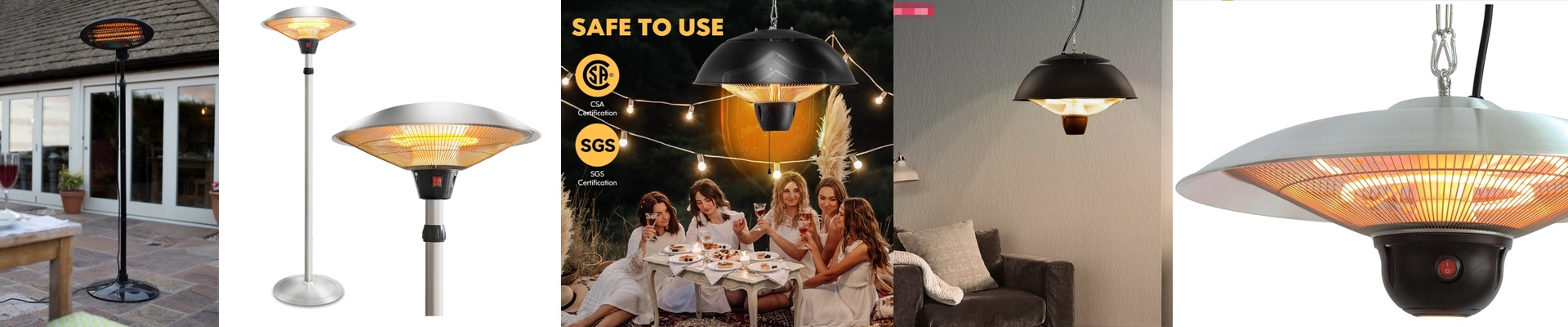
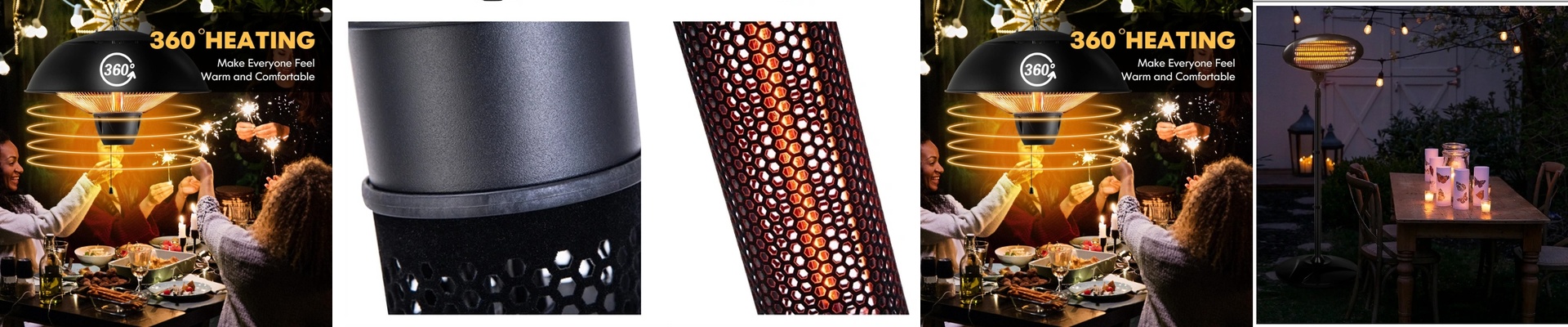
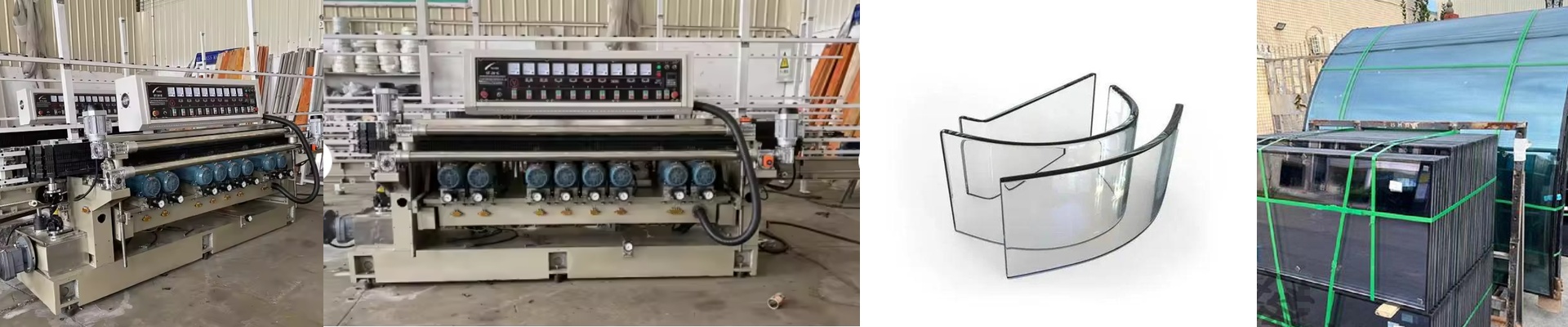
Cutting through ultra-thick glass is brutal. If you’ve ever done it, you know the feeling—your cutting wheels just get chewed up. It’s a lot of stress on the equipment and a lot of wasted money on replacements. We found a way to stop that. We use high-penetration infrared (IR) heating lamps to do the heavy lifting. Here’s how it works: we aim the IR energy right at the cutting path. It softens the surface just a bit, which takes the edge off the mechanical resistance. Suddenly, your wheels aren’t fighting the glass; they’re gliding through it. Your tools last longer, and you aren’t replacing them every few shifts. Getting the heat where it matters Most heat lamps are useless here because the energy just bounces off the surface. To actually get inside thick glass, you need specific IR wavelengths that the silica can actually absorb. We’re talking about heat that sinks several millimeters deep. You aren’t trying to melt the glass—that would be a disaster. You’re just making it a little more “giving.” It makes the scoring process feel smooth instead of forced. Don’t waste your energy A lamp by itself is basically a space heater for your ceiling. You’ll lose half your power if you don’t focus it. That’s why we use gold or aluminum-coated reflectors. They squeeze that IR beam into a tight, concentrated line. It keeps the heat exactly where the cut is happening, so you don’t accidentally warp the rest of the sheet. A word of caution There is a catch. These lamps put out a ton of heat, and if you aren’t careful with your timing, you’ll run into trouble. If the lamp stays on too long, you create internal stress in the glass. Then, you’ll be staring at a perfectly cut piece of glass only to have it spontaneously crack right in front of you. It’s frustrating. The trick is to dial in your PLC timers to match your feed speed and the thickness of the glass. Get that right, and you’ve turned a violent mechanical grind into a controlled, easy process. Less scrap, longer tool life, and a whole lot less stress.