
Fixing Those Pesky Cold Spots in Complex Glassware
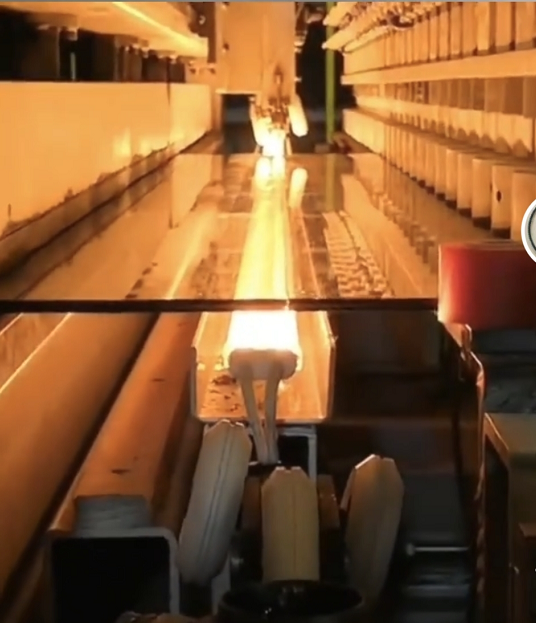
Ever tried curing coatings on glass with weird shapes—tight curves, narrow necks, or odd angles—only to find some spots just won’t heat up? It’s frustrating. Standard kilns rely on convection, but air is lazy. It doesn’t like to squeeze into those tight spaces, leaving you with “dead zones” where the coating just doesn’t set. That’s where short-wave infrared (IR) lamps come in. How it actually works Forget about heating the air. IR lamps work by radiation, meaning the energy hits the glass surface directly. It’s more like sunlight on your skin than a warm breeze. The trick is that you can’t just stick one lamp in there and hope for the best. To kill those cold spots, you need a multi-angle array. Think of it as surrounding the piece with light so the heat can “wrap” around the glassware and hit the shadows that a normal oven would miss. The gear and the trade-offs We usually go with high-wattage quartz halogen tubes. Why? Because they’re fast. Really fast. You can hit your target temperature in seconds, which saves a massive amount of time compared to waiting on a slow-ramp oven. But a heads-up on the hardware: these things runhot. Depending on your power grid, you’ll want to pick the right voltage so you don’t lose intensity over longer tubes. And please, check your wiring. Whether you’re using R7s or custom ceramic bases, make sure they can handle the heat. If you don’t vent your housing properly, you’re just going to melt your sockets. Making it work on the floor The best part is the space you save. Since the heat is targeted, you don’t need a giant, power-hungry oven taking up half the shop. There is one catch, though: line-of-sight. IR lamps are like flashlights—if the lamp can’t “see” the glass, it can’t heat it. If a piece of glass casts a shadow on itself, that spot stays cold. If you miss even one tiny area, the coating won’t bond, and the piece is headed straight for the scrap bin. It all comes down to where you place those lamps. Get the spacing right, and you’ll get a perfect, uniform cure every single time.