
Why Precision Heating is Everything for Scientific Glass
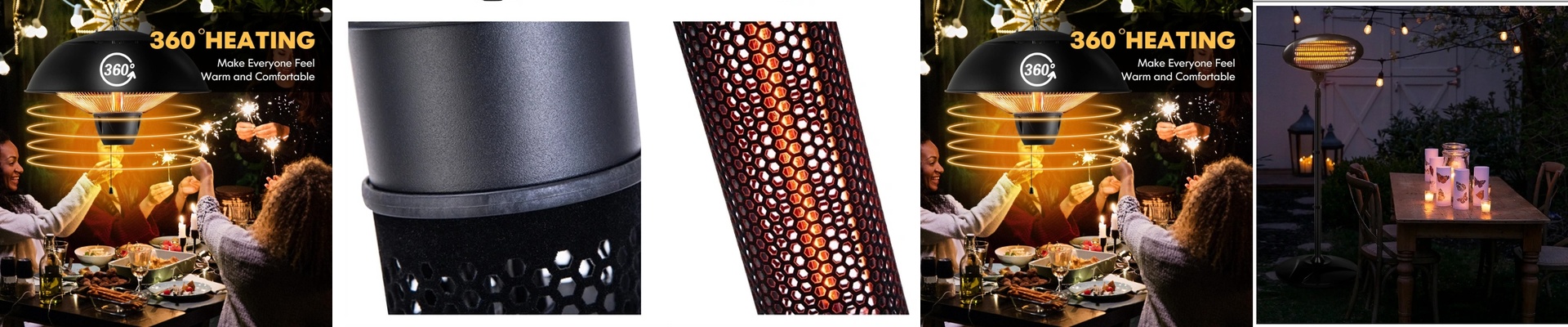
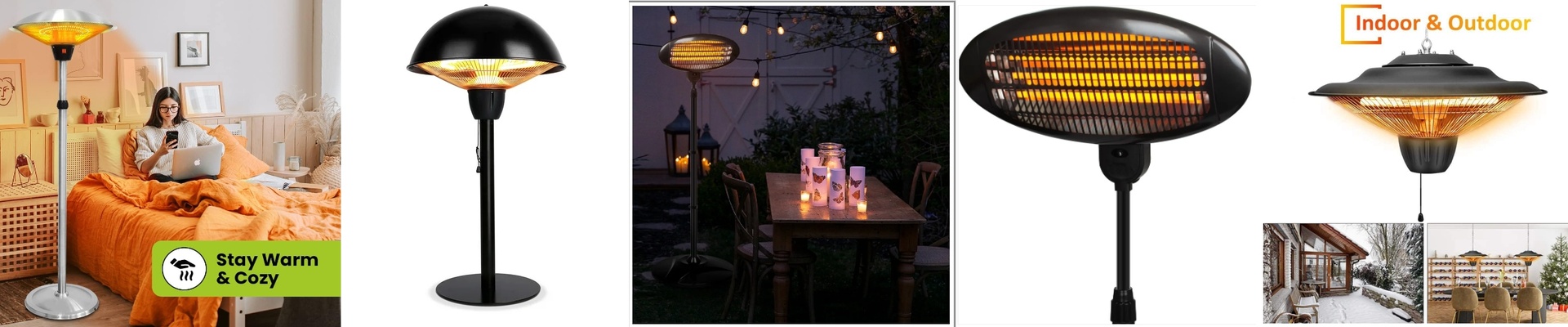
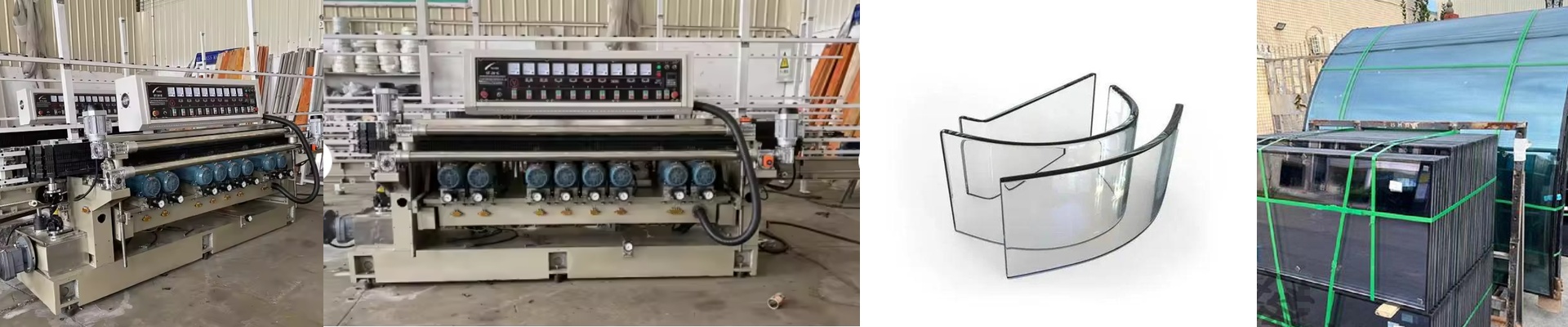
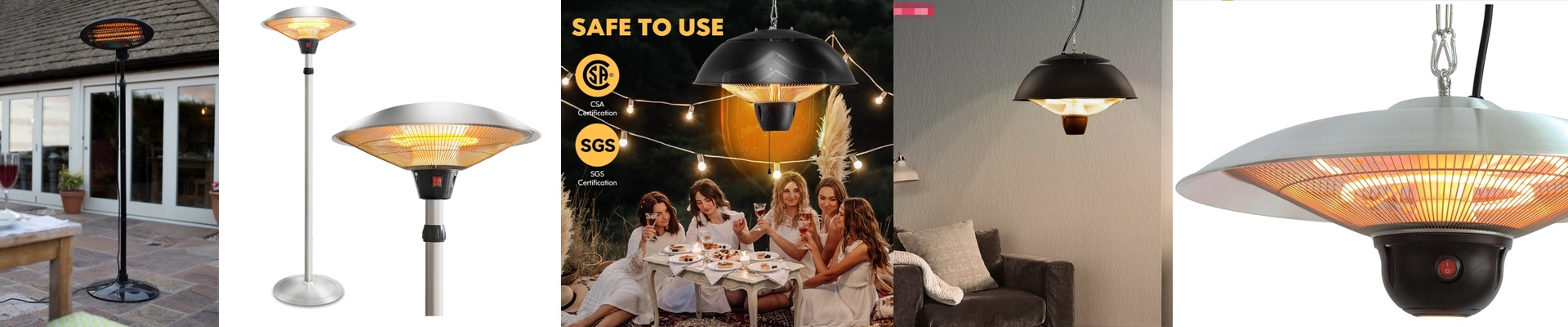
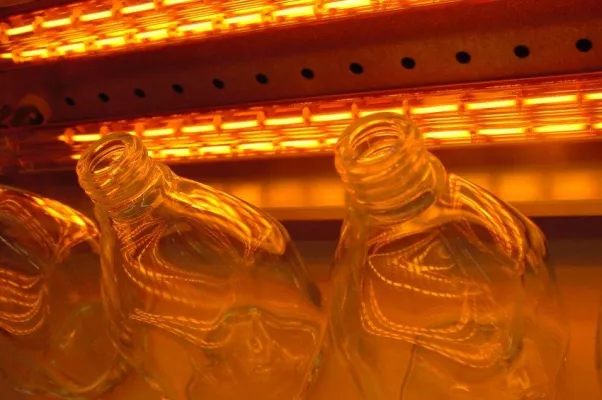
When you’re dealing with high-end lab glassware, there is a very thin line between a perfect piece and a pile of shards. It all comes down to annealing. We use infrared heating elements in annealing bulbs to get the glass back to that sweet spot where internal stresses can finally relax before the piece cools down.
The 0.1°C Difference
Glass is finicky. If your temperature swings by just a few degrees, you’re playing a dangerous game. You might actually bake in new stresses or fail to get rid of the old ones. That’s why we build our infrared elements to work with controllers that hit 0.1°C precision. It keeps the glass from “shocking.” Speed matters, too. Since infrared radiation hits the glass directly—instead of wasting time heating up the air first—we can ramp temperatures up and down way faster than you ever could with old-school resistive coils.
Fighting the “Hot Spot” Battle
The real headache is uniformity. If one side of the bulb is hotter than the other, your glass will warp. Simple as that. To fix this, we play around with the wattage and wavelength so the heat actually penetrates the glass wall evenly. But there’s a catch. High wattage gets the job done quickly, but it’s a magnet for hot spots. To get around this, we usually suggest using a rotating fixture. It ensures the glass gets a steady, average temperature across the whole surface.
The Honest Truth About the Setup
Look, this kind of precision isn’t free. Keeping things stable within 0.1°C puts a lot of pressure on your PID controllers and sensors. If your thermocouples are ancient or just placed in the wrong spot, even the best infrared element won’t save your work. Plus, you need a clean power supply. Voltage spikes can cause the IR output to flicker, and that’s enough to throw off the thermal balance of the glass. It’s all about the details.