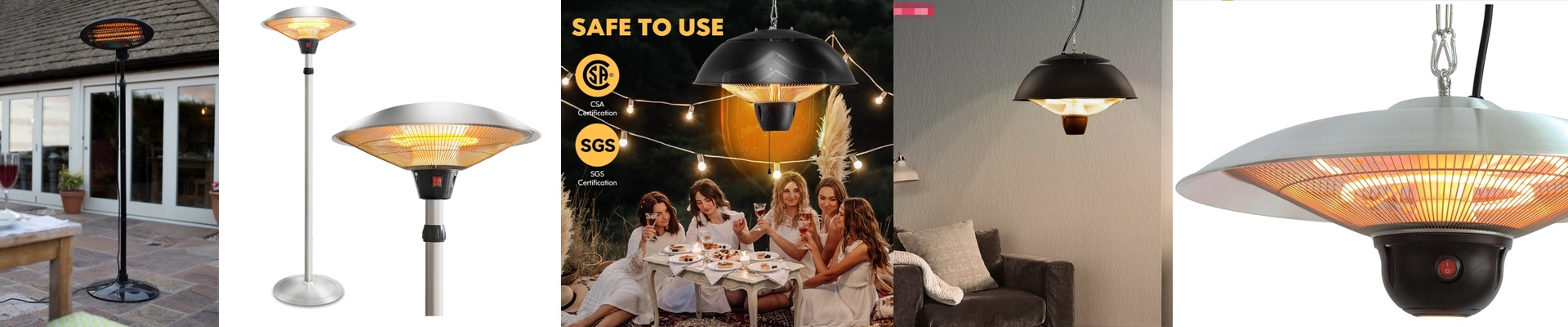
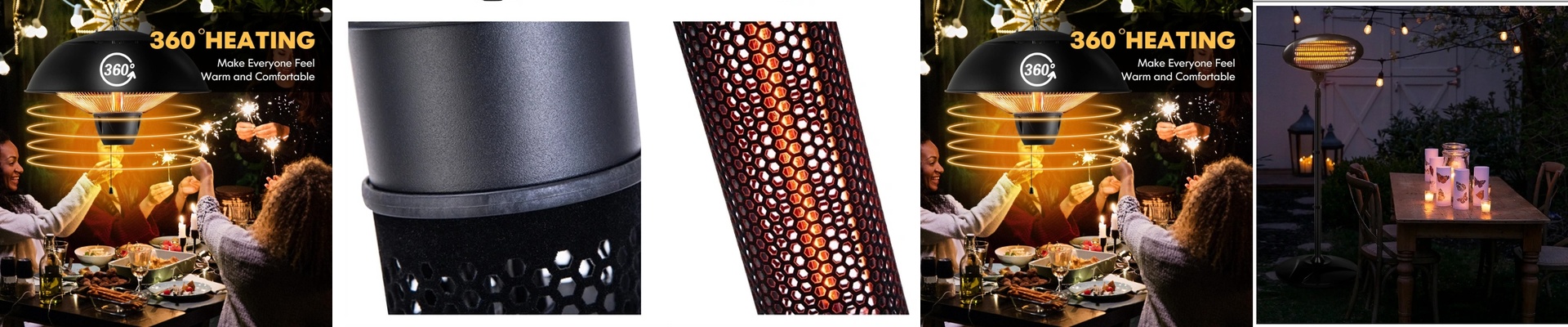

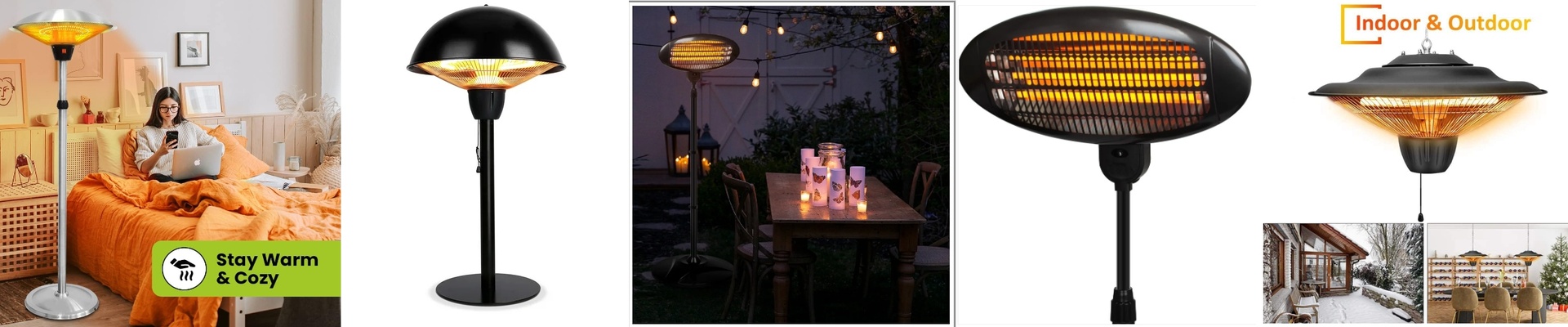
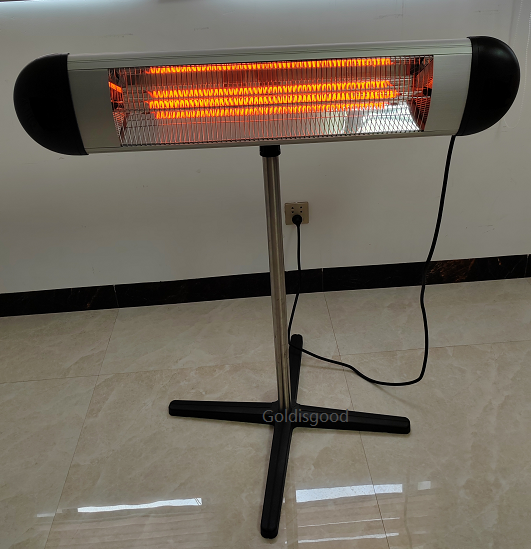
Why IP55 Actually Matters for Your Patio Heaters
If you’ve ever put a heater outside, you know the deal. Nature hates electronics. Between the humidity, the random drizzle, and just plain old dust, the outdoors is basically a gauntlet for any heating element. That’s why we build our top infrared line to an IP55 rating. It sounds like a boring technical spec, but it’s really just our way of making sure your heater doesn’t die the first time the weather turns ugly.
What does “IP55” actually do?
Here is the breakdown. That first ‘5’ is all about the dust. It doesn’t mean the unit is airtight—nothing really is—but it keeps enough grit out so your electrical parts don’t get gunked up. The second ‘5’ is the real hero. This is what keeps water from ruining your night. Think about it: “splash-proof” isn’t just about rain. It’s about the fog and condensation that creeps in on a chilly evening. If a stray drop of water hits a scorching hot quartz tube, the glass can crack in a heartbeat. We designed the housing to nudge that water away from the core so you don’t have to worry about it.
Making it last
Water is a slow killer. It leads to corrosion, and once that oxidation hits your contacts, your heat becomes erratic or just stops working entirely. To stop that, we use sealed gaskets and weather-resistant coatings. It keeps the inside dry and the power steady. But a quick heads-up: IP55 isn’t a submarine. If you’re blasting these things with a high-pressure power washer or mounting them where they’ll basically be underwater during a flood, the seals will give out. Just mount them at a decent height and angle so the water can run off naturally.
Easy setup, less headache
We wanted these to be a breeze to install. Because of that IP55 shell, you can wire them up in semi-exposed spots without needing those massive, clunky junction boxes that ruin the look of a patio. Plus, since the internals stay clean, you aren’t spending your weekends swapping out burnt-out lamps. You just turn them on and enjoy the heat.