
Making Your Patio Heaters Actually Smart
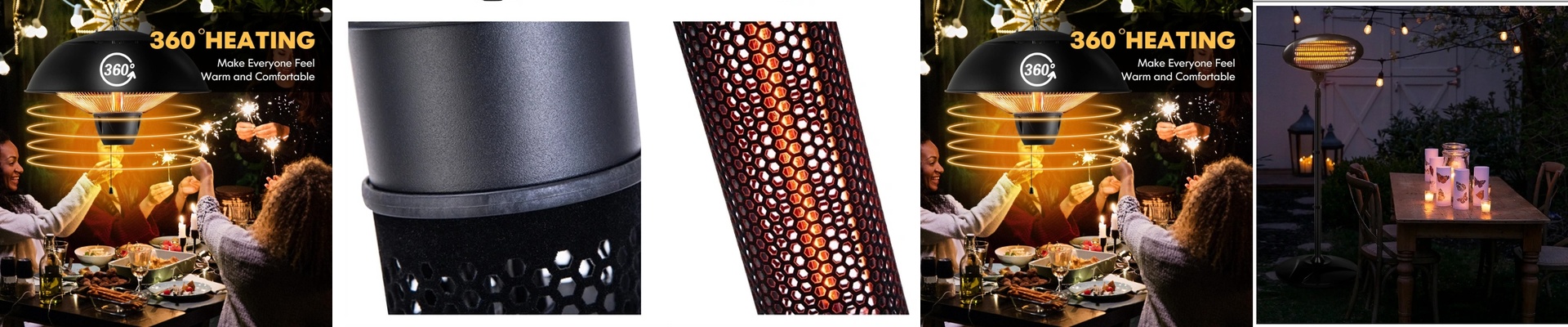
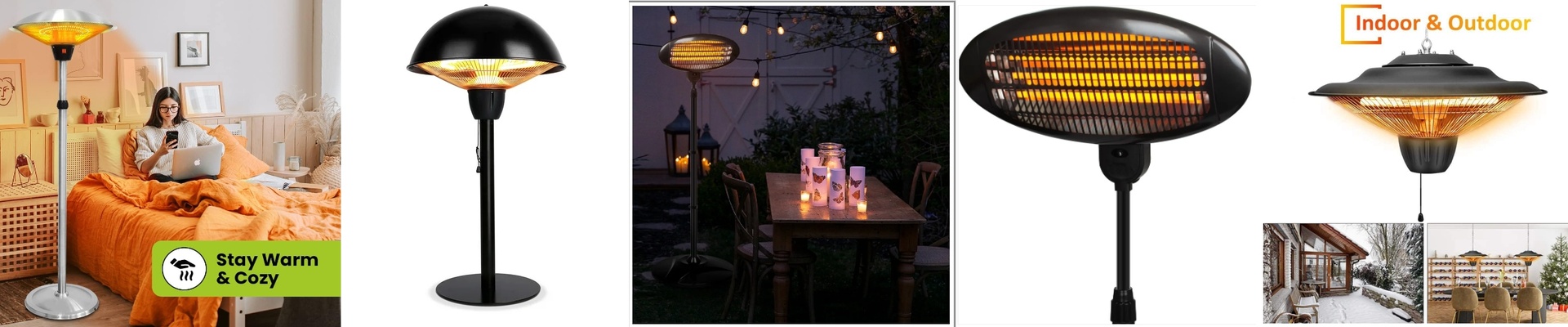
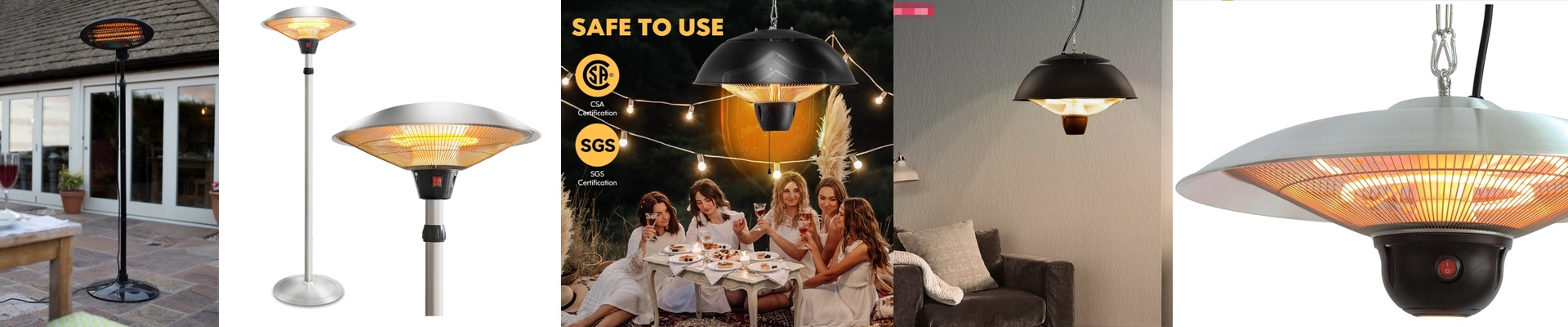
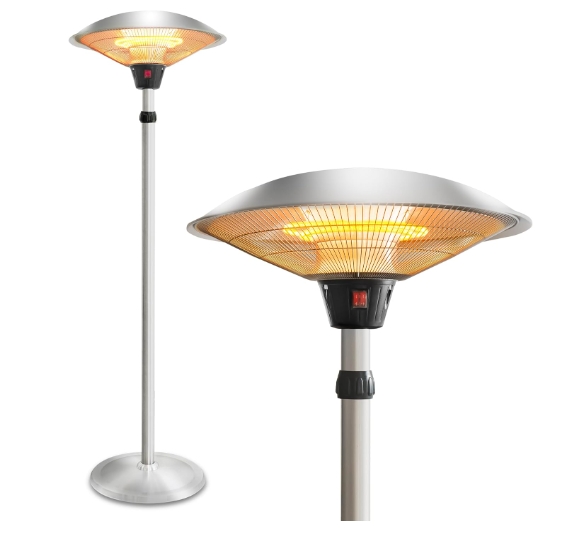
If you’re running a nightclub patio, you know the struggle. One minute it’s a great night, the next it’s raining or a cold wind kicks in, and suddenly your guests are shivering. You need heat that works instantly and doesn’t blow a fuse the second it gets damp. That’s why we stick with short-wave infrared. Most heaters try to warm up the air, which is a losing battle outdoors because the wind just blows the heat away. Infrared is different. It sends heat directly to the people and the furniture. The second those lamps click on, you feel it. No waiting around. Just instant warmth.
Getting the Tech to Talk
Now, the “smart” part is where things get interesting. Most of these heaters come with a clunky manual dial—not exactly what you want when you’re managing a whole venue. We swap those out for heavy-duty relays or smart controllers that can handle a lot of power. These connect to your hub via Wi-Fi or Zigbee. So, instead of walking across the patio in the cold, you just tap a button on your phone or tablet, the relay snaps shut, and the heaters roar to life. It’s almost like a magic trick. Because the filaments have so little mass, they don’t need to “warm up” a ceramic plate first. They just glow and start radiating heat in a heartbeat.
Dealing with the Elements (and the Electrician)
Outdoor gear takes a beating. Moisture, salt air, and humidity love to eat electrical components for breakfast. To stop that, we use IP65-rated housings. We’re talking powder-coated aluminum and tempered glass. It keeps the guts of the machine dry and stops corrosion from ruining your investment. But here is the catch: these things pull a massive amount of power. If you try to cram too many 2kW heaters onto one smart relay, you’re going to fry the contacts. It’s a mess. We always split the load across different circuits and use dedicated high-voltage contactors to do the heavy lifting. It’s the only way to make sure the system doesn’t melt down on a busy Friday night.
The “What If” Factor
Here is the honest truth about smart homes: sometimes the Wi-Fi craps out. If your router reboots or the signal drops, you don’t want your guests freezing while you’re messing with a modem. That’s why we always install a physical override switch. It’s a simple, old-school fail-safe. If the tech fails, you just flip a switch and the heat comes on. Simple as that.