
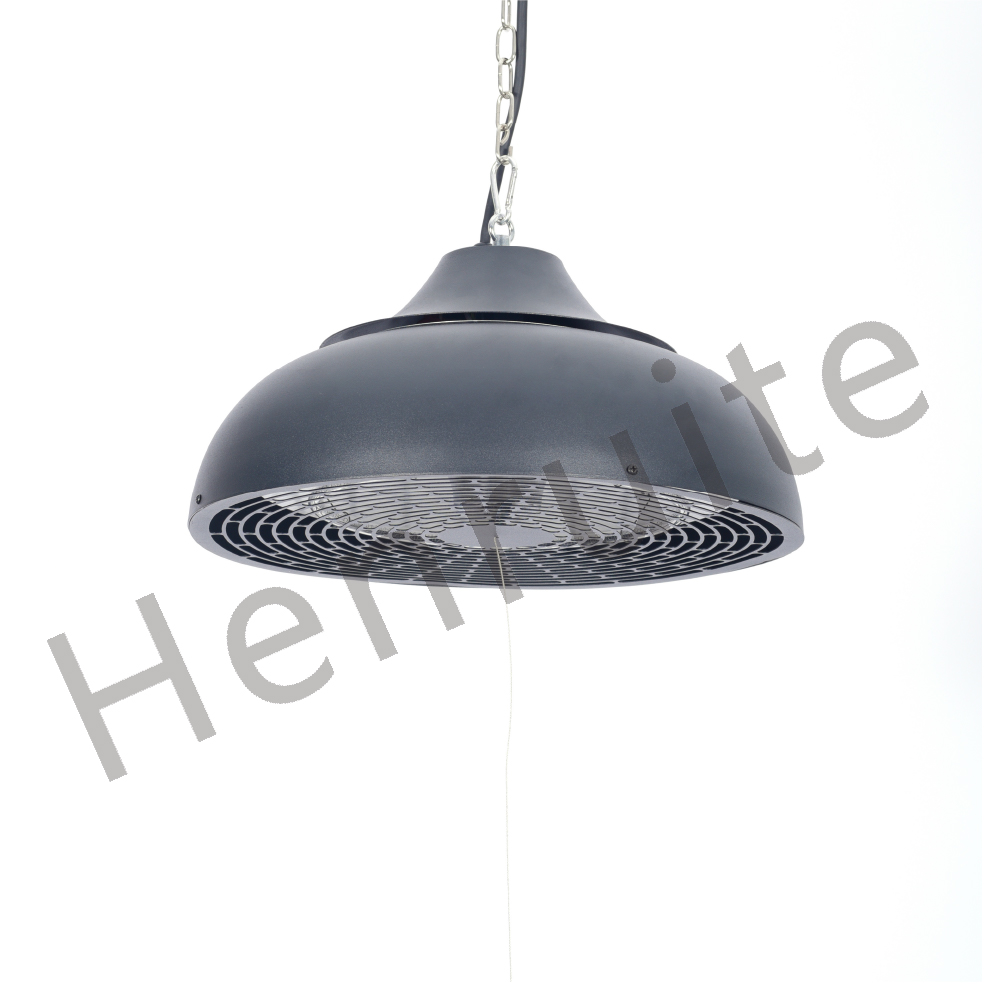
Why Most Bathroom Heaters Fail (And How We Stop It)
Let’s be honest: bathrooms are a nightmare for electronics. You’ve got freezing air one minute and a thick, heavy blanket of steam the next. It’s the kind of environment that just eats electrical components for breakfast. We don’t like guessing games. We don’t just “hope” a lamp lasts. Instead, we take our heaters into the lab and try our absolute hardest to break them. The battle against the steam Most infrared lamps are designed for dry air. But in your bathroom, moisture finds every tiny gap it can. It sneaks past the seals and attacks the bond between the electrode and the quartz. To stop this, we put our heaters through “damp-heat” torture tests. We cycle them through brutal heat and humidity over and over to mimic years of steamy showers. If there’s even a microscopic leak in the vacuum seal, oxygen gets in, the filament pops, and the whole thing is trash. We’d rather it happen on our workbench than in your home. It’s all in the details We use high-purity quartz and some pretty specialized sealing compounds to keep the water out. Most of the time, things break at the connection points. When materials heat up and cool down, they shift. We call this “creep.” If the glass moves by even a fraction of a millimeter, the whole structure is compromised. Our tests make sure the housing doesn’t warp or corrode when things get hot. The heat trade-off Here’s the thing: to clear fog quickly, you need a lot of power in a very small space. That creates some intense heat. It’s great for getting your mirror clear in seconds, but that same heat can make surrounding plastics brittle or fry the wiring if you aren’t careful. That’s why we obsess over the internal housing. It has to handle that constant “on-off” thermal shock without cracking. At the end of the day, a failure in a wet bathroom isn’t just a nuisance or a warranty headache. It’s a safety issue. We build our gear to survive the steam, not just the heat.