
Getting the Heat Right for Mobile Glass Repair
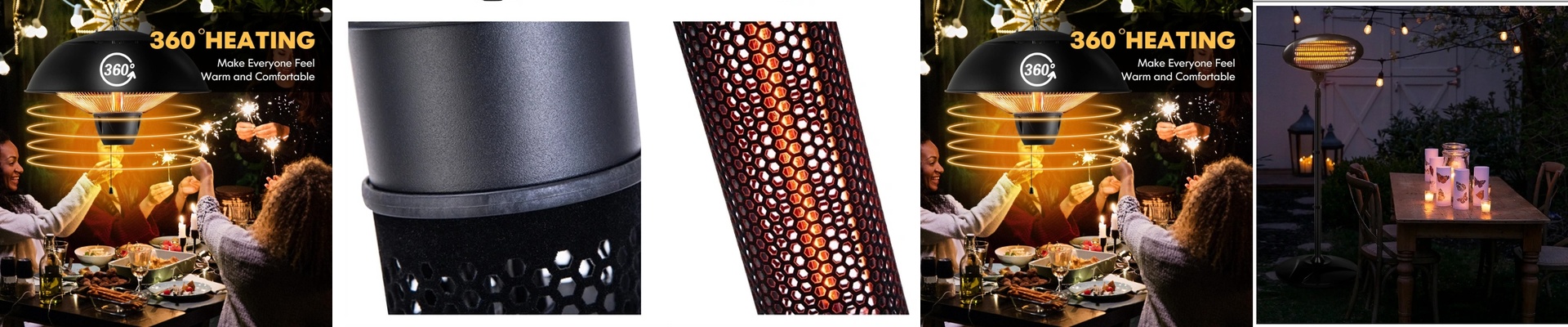
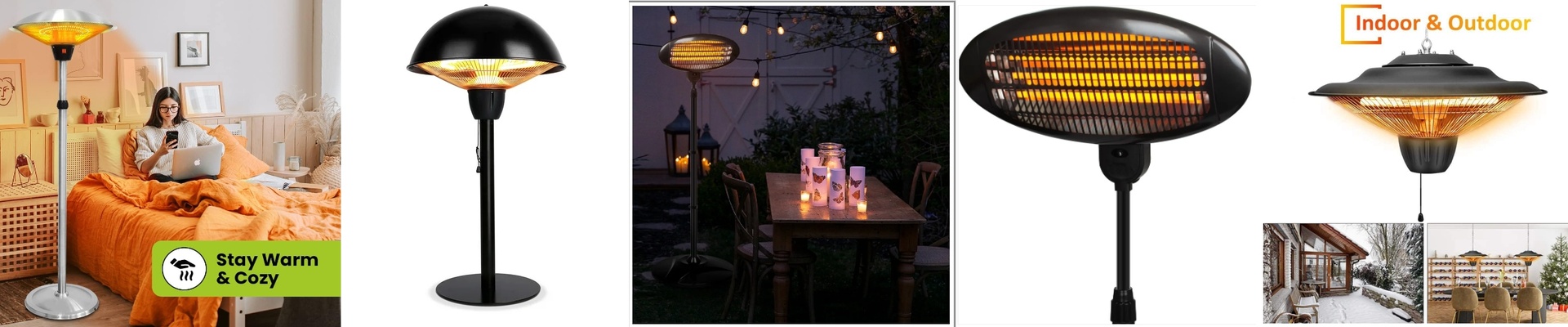
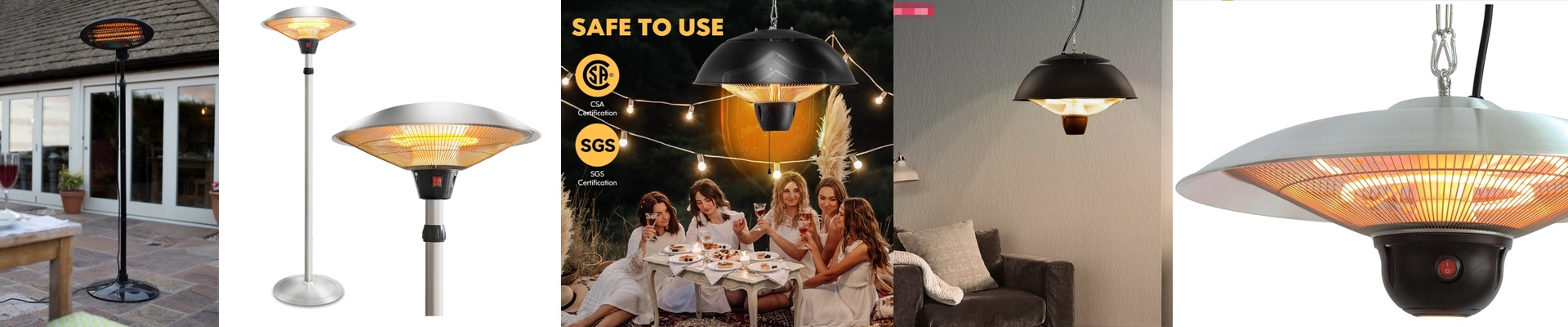
If you’ve ever tried to build a mobile glass repair bracket, you know the struggle. You’re basically fighting a war on two fronts: you’ve got almost no room to work with, and your onboard power is pretty limited. You can’t exactly lug a massive industrial furnace onto a job site. That’s where short-wave infrared (SWIR) elements come in. They basically cram a ton of thermal energy into a tiny spot, which lets you hit those tempering temperatures fast without needing a rig the size of a refrigerator.
Squeezing Power into Small Spaces
Usually, when you shrink a heating system, you lose wattage. It’s a frustrating trade-off. But here’s the trick: we use high-density quartz halogen tubes. By tightening the filament wind and tweaking the gas fill, we can push way more watts per millimeter. It gives you that intense heat flux you need to actually temper the glass, but the hardware stays small enough to actually fit in a handheld bracket.
The Nitty-Gritty on Materials
We stick with high-purity quartz for the envelopes. Why? Because you don’t want the tube absorbing the heat—you want that energy hitting the glass surface directly. And if you’re working on a boat or in a salty, humid environment, go with coated tubes. They protect the element from corrosion and can shift the emission spectrum to better suit the job. One quick warning:**don’t use standard connectors.**They’ll melt. Period. Use high-temp ceramics if you don’t want your wiring to turn into a puddle.
The Trade-offs (The “Gotchas”)
Now, all that heat density comes with a price. These lamps run hot. Really hot. If your bracket doesn’t have a solid way to vent that heat away from your electronics, you’re going to fry your controllers. Make sure your cooling fans or heat sinks can actually keep up with the lamp’s output. Also, keep an eye on your power draw. A high-wattage miniature lamp can be a beast on startup. If you aren’t managing that surge current, you’ll be tripping your mobile inverter all day.