
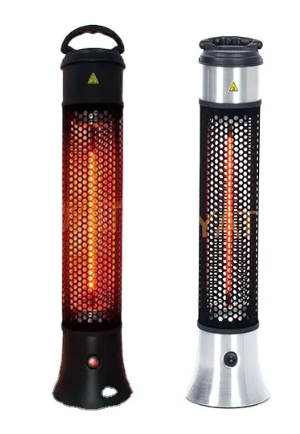
Stop the Bathroom Mold Battle with Infrared
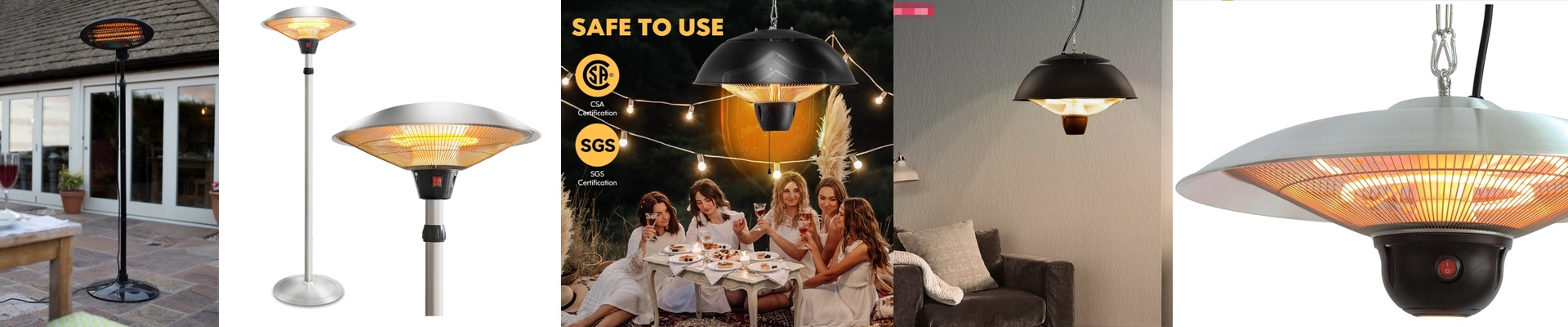
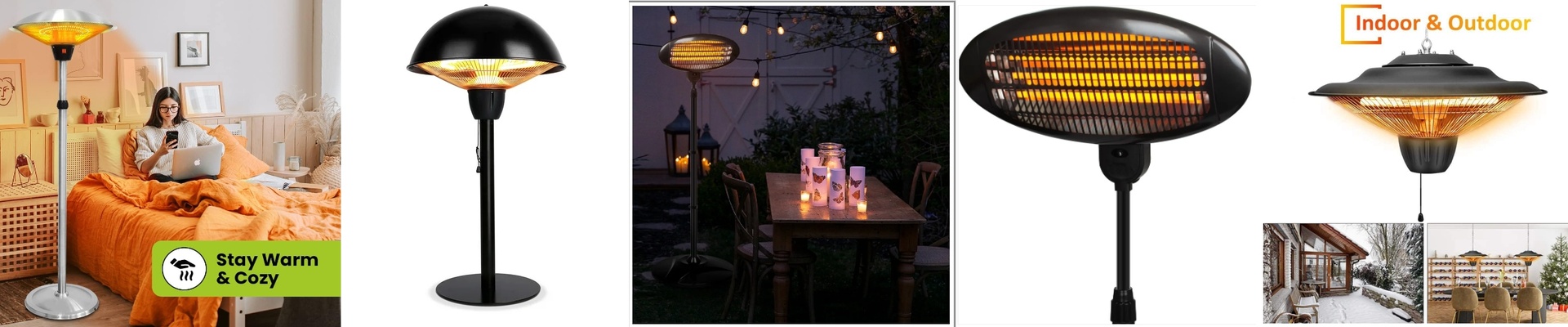
Most people buy an IP65 infrared heater because they’re tired of shivering the second they step out of the shower. I get it. But from where I sit, these things are actually secret weapons for fighting moisture. We didn’t just build these to make the room feel cozy. We designed them to go after water molecules and organic growth where they hide.
How it actually works
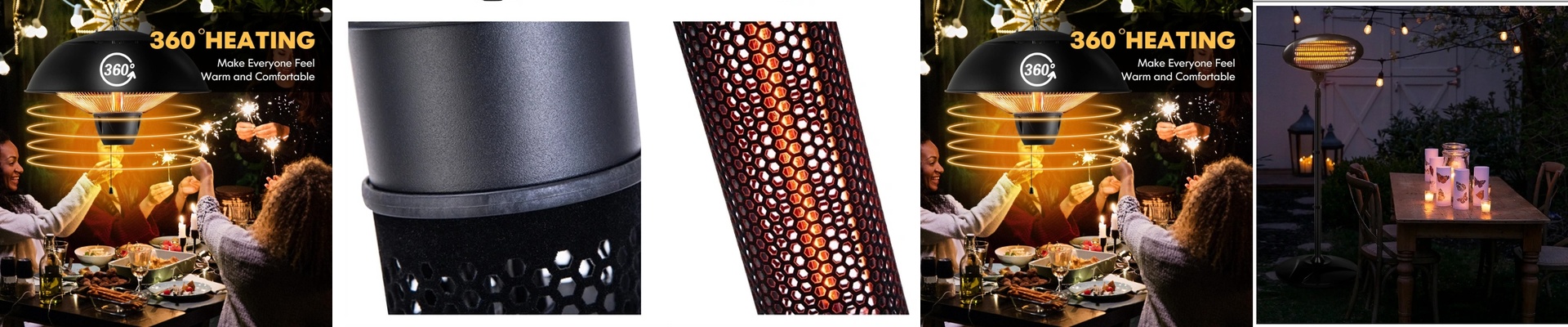
Most heaters just warm up the air. The problem? That warm air hits a cold wall, turns back into water, and you get condensation. Not great. We do things differently. We use short-wave infrared (SWIR). Instead of just heating the air, these waves soak right into your damp walls and ceilings. It dries the surface from the inside out. And here’s the thing: mold hates dry surfaces. When you keep your walls warm enough that water can’t settle, you basically starve the fungal spores. No water, no mold. Simple.
Keeping things safe (and dry)
Water and electricity are a nightmare pairing. That’s why we stick to IP65 standards. In plain English? The housing is sealed tight against dust and water jets. We use heavy-duty silicone gaskets and sealed cables so you don’t have to worry about the steam getting where it shouldn’t. One quick tip: watch your heat density. A powerful infrared lamp in a tiny bathroom creates a serious heat zone. If your space is tight, make sure your vent fan is actually doing its job. Otherwise, you’re just pushing the moisture from the floor up to the ceiling.
Setting it up
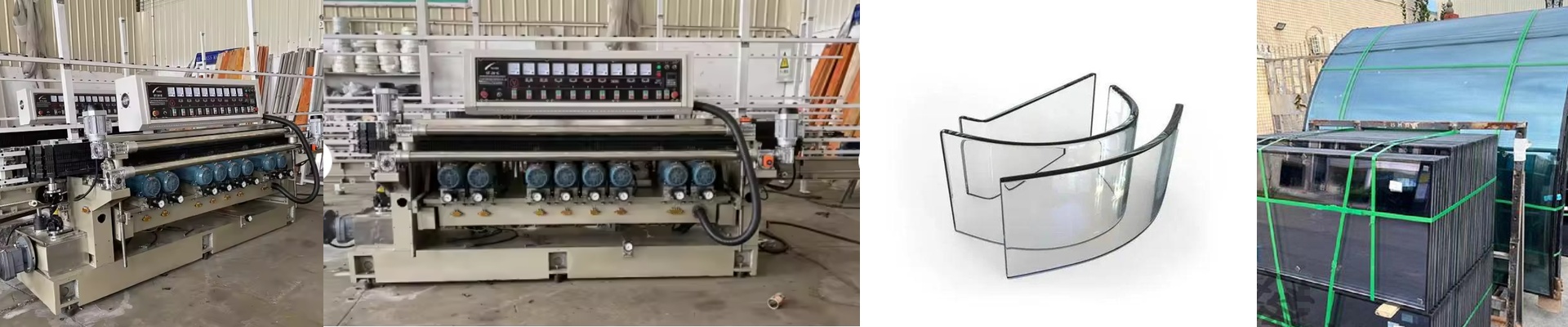
If you’ve got an old halogen setup, these should slide right in. We use quartz glass tubes because they let the heat pass through without filtering it out. These tubes take a lot of abuse—constant humidity, temperature swings, the works. Just do me a favor: check your seals every year. Bathroom cleaners can be pretty harsh, and you want to make sure those gaskets are still holding strong so the unit stays protected.