
Stop Letting Your Patio Go to Waste in the Winter
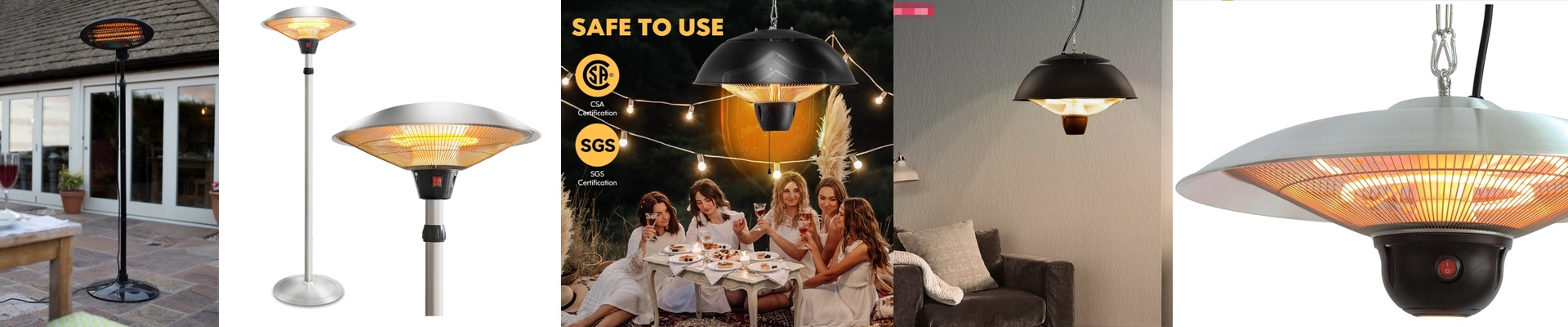
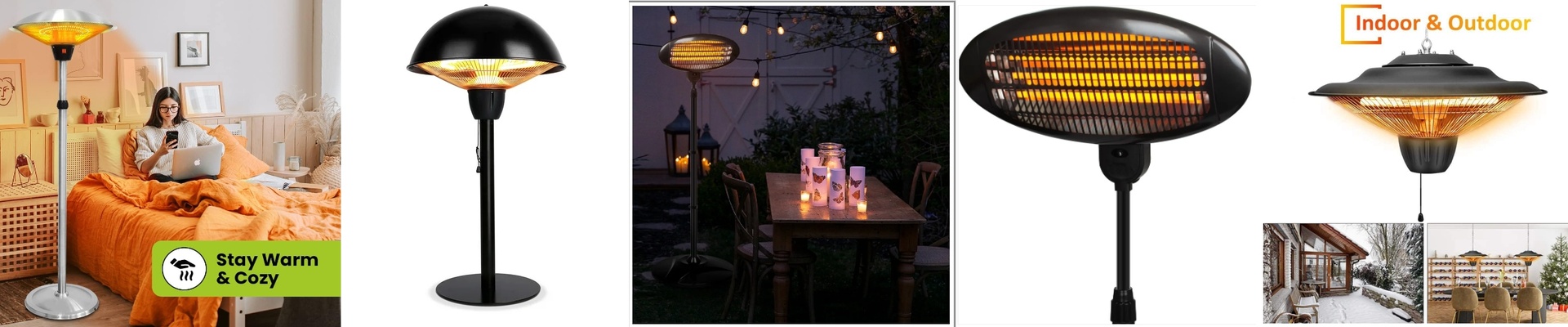
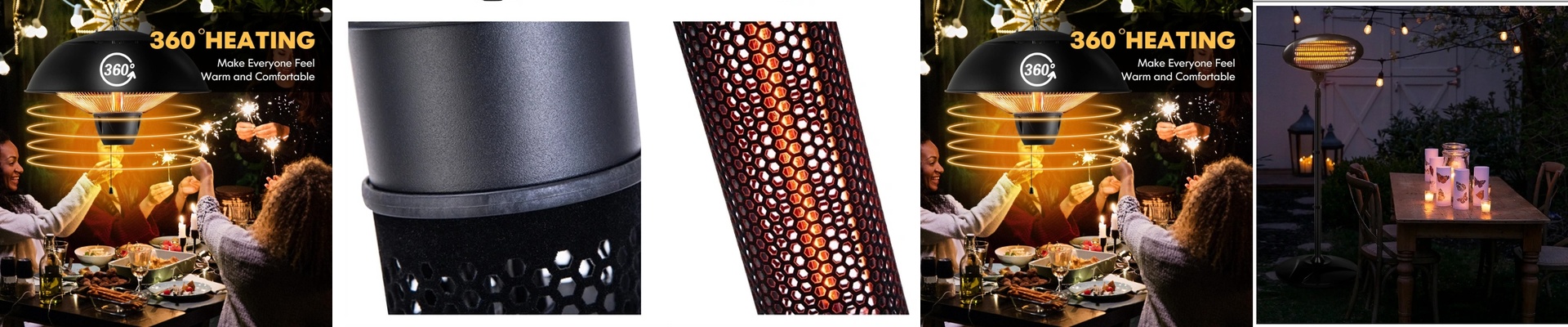
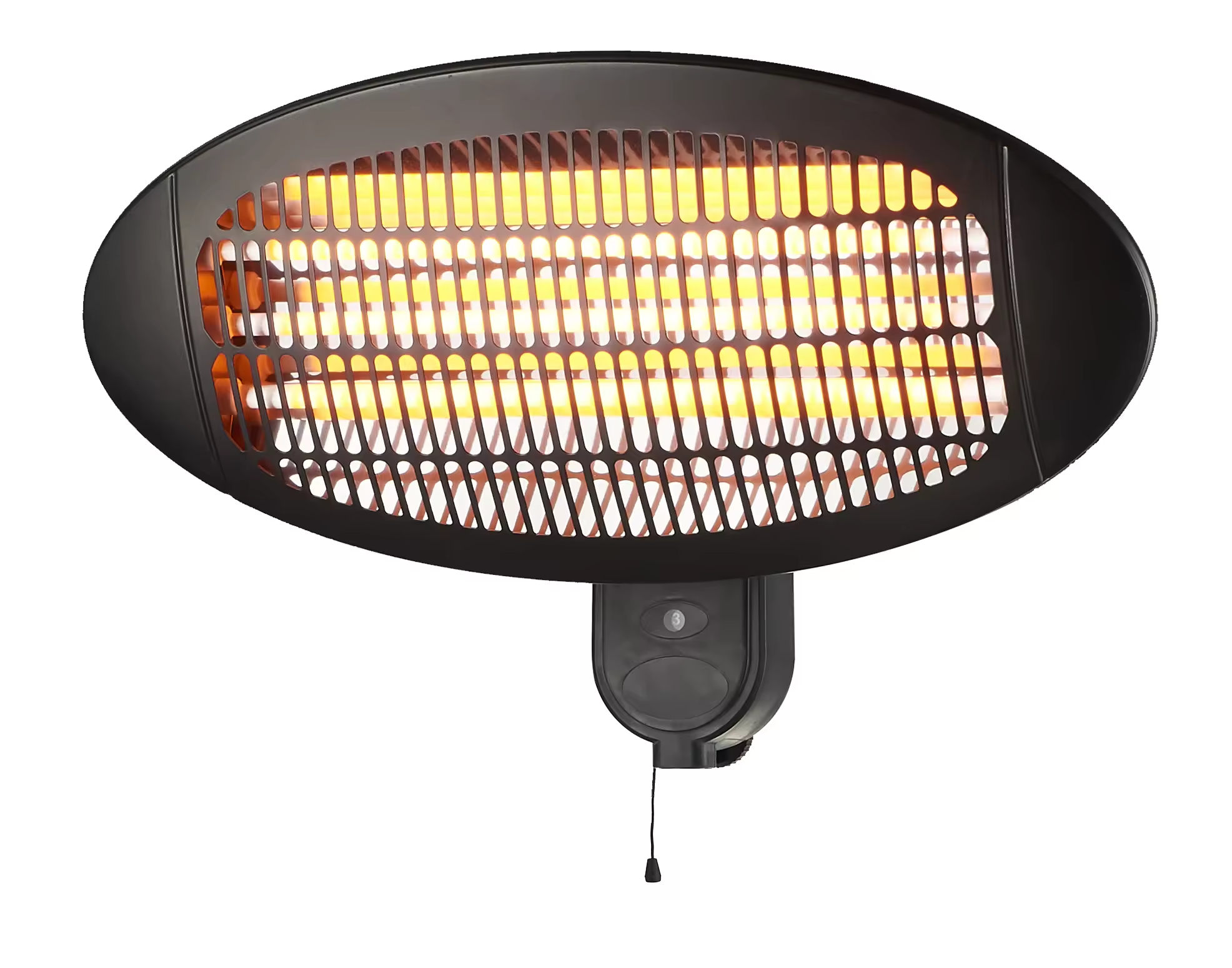
It’s a frustrating sight: a beautiful outdoor dining area sitting completely empty just because it’s November. Most heaters just can’t keep up when the wind starts whipping through the patio, and your guests aren’t going to sit in the cold. That’s where shortwave infrared comes in. Instead of trying to heat the air—which just blows away the second a breeze hits—these lamps beam heat directly onto your guests. It’s like sitting in the sun on a crisp spring day. People actually want to sit outside, even when the temperature dips.
Built for the Mess
Let’s be real: outdoor dining is messy. You’ve got rain, snow, and the daily scrub-down with hoses and cleaning sprays. If you put a cheap, non-rated heater out there, the moisture will eat the wiring and fry the circuit before the first season is even over. That’s why we stick with theIPX4 rating. Basically, it means the housing is sealed tight against splashes from any direction. It keeps the guts of the machine dry and prevents the kind of corrosion that kills your equipment.
More Comfort, More Revenue
The best part? There’s no waiting around. With old-school gas heaters, you’re waiting for the air to warm up. With infrared, your guests feel the heat the second they pull out their chairs. When people are cozy, they linger. They order that extra round of drinks. They don’t rush through their entrees just to escape back inside. It’s a simple shift, but it keeps your tables turning and your revenue steady.
A Few Things to Keep in Mind
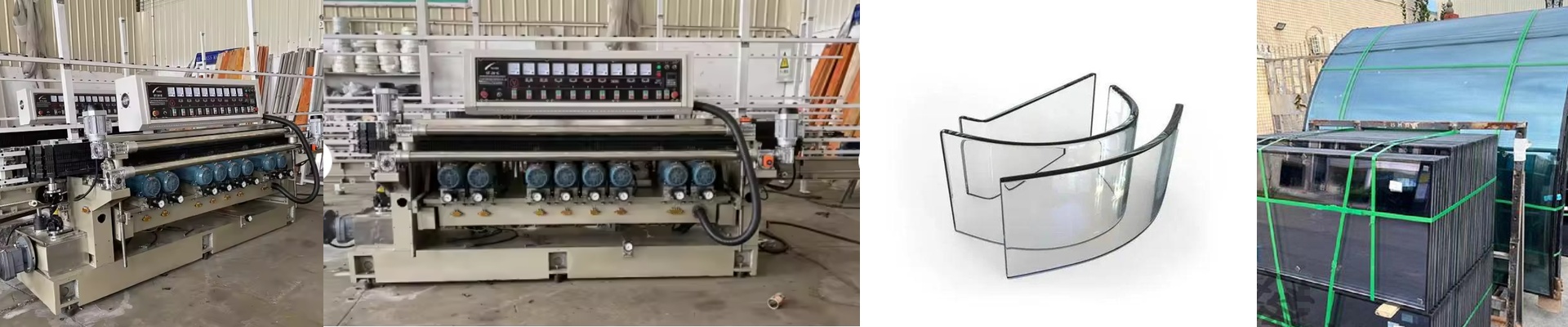
Installing these is pretty straightforward—you can mount them on the ceiling or use wall brackets. I usually suggest a height of about 2.5 to 3 meters. You want a strong heat footprint on the table, but you don’t want to bake the tops of your guests’ heads. One big warning:infrared doesn’t go through glass. If you have sliding doors, the heat will just bounce right off the pane. You have to mount the units where they have a direct line of sight to the people. Also, don’t just plug these into any old outlet. High-wattage arrays can trip your breakers if you overload a line. Do yourself a favor and have an electrician check your panel’s total load before you start wiring everything up. It’ll save you a massive headache later.