

Stop the Bathroom Mold Battle with Infrared
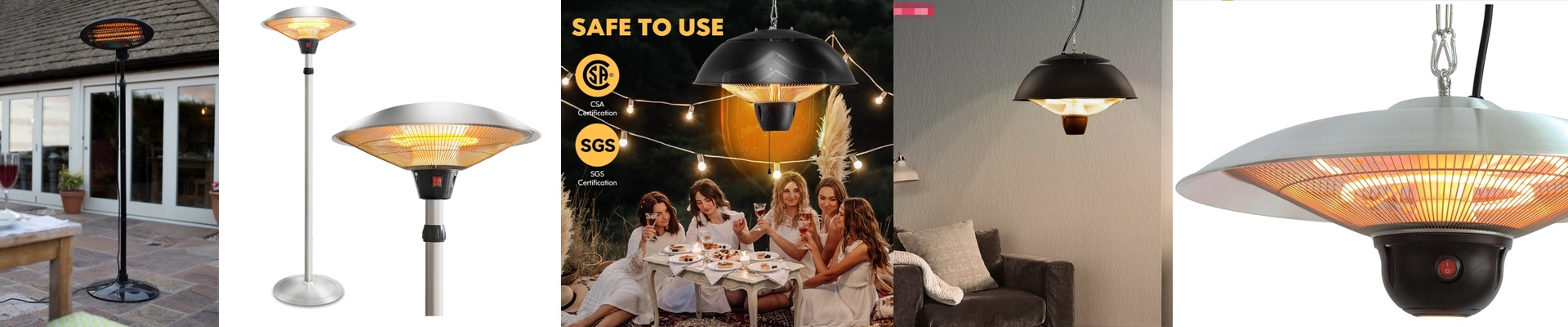
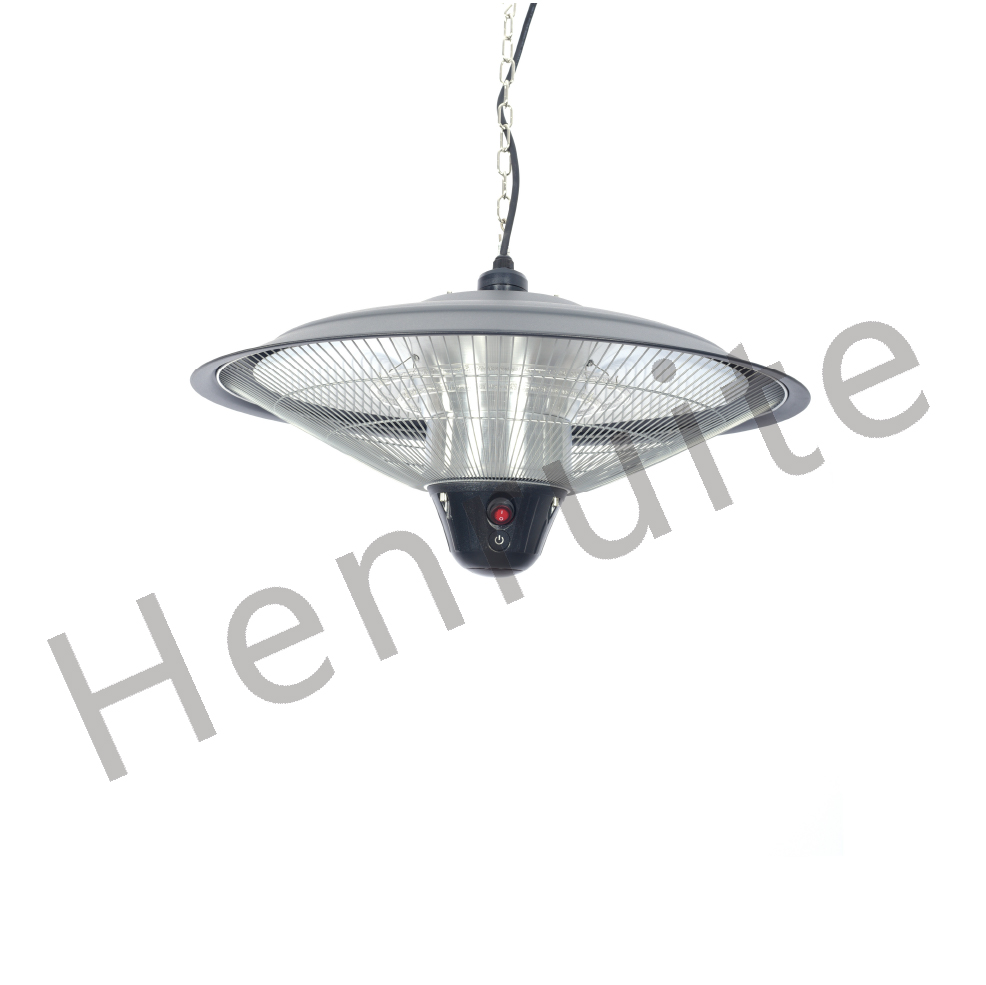
Most people see an infrared heater and think, “Great, I won’t be freezing when I step out of the shower.” But we wanted these things to do a bit more than just keep you warm. We actually designed them to tackle that annoying, damp smell and the mold that loves to sneak into your grout.
How it actually works
Here’s the thing: standard heaters just warm up the air. The problem is that air is pretty bad at moving moisture. Our lamps are different. They send out short-wave radiation that goes straight for the water molecules sitting on your walls and ceiling. It basically shakes those droplets until they turn into vapor. Once that moisture is floating in the air, your vent can actually grab it and pull it out of the room. It’s a lot harder for mold to move in when your silicone seals and grout are actually dry.
Built for the steam
Bathrooms are basically torture chambers for electronics. To stop them from frying, we use quartz glass and sealed terminals to keep the dampness out. The best part? The heat hits its peak almost instantly. We call it a “flash-dry” effect. It’s fast. Really fast. And it means your surfaces don’t stay wet for hours after you’ve left the room. One quick tip: get the wattage right for your space. If the unit is too weak, you won’t get enough heat to actually evaporate the water. But if you put a massive unit in a tiny stall, you’re just asking for the housing to overheat.
Getting it installed
These are designed to be simple drop-in replacements for your old fixtures. Just one big warning:use high-temperature wiring. Don’t go cheap on the cables. The heat coming off those quartz tubes is intense, and cheap wires will just burn out at the connection points. And just to be clear—this isn’t a magic wand that replaces your exhaust fan. The lamp moves the water from the wall into the air, but the fan is what gets it out of the house. If you don’t have a working vent, that moisture is just going to find a new place to land once the lamp turns off.