


Stop Wasting Money on Scissor Lifts
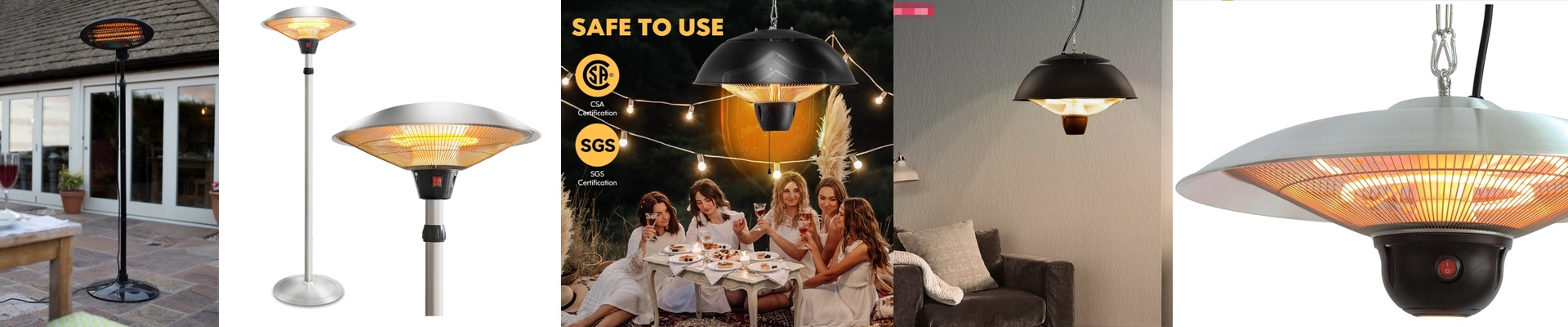
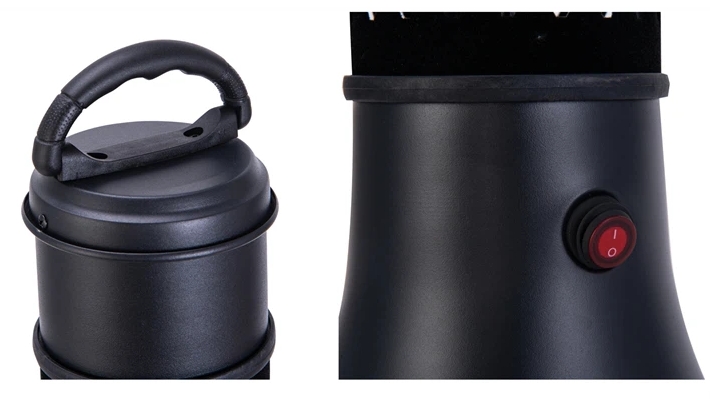
If you run an industrial plant, you know the headache of a ceiling heater going out. It’s never just about the cost of the part. It’s the nightmare of renting a lift, blocking off a section of the floor, and watching production grind to a halt while someone fiddles with wires twenty feet in the air. We got tired of seeing that happen, so we changed how the heaters are actually built. The problem with “the old way” Most factory heaters are basically one giant, wired-together block. When a single tube burns out, you’re stuck digging through a mess of cables while balancing on a lift. It’s tedious. It’s slow. And it’s frustrating. We went with a modular setup instead. We separated the heating elements from the main frame using slide-in brackets and quick-disconnect terminals. Now? You just swap the dead tube. No rewiring the whole array. No spending half a day on a ladder. You’re in and out in minutes. Dealing with the inevitable wear Let’s be real: heating elements don’t last forever. After about five years of heavy use, the filaments thin out and you’ll notice the heat just isn’t hitting like it used to. In a standard system, that usually means a massive overhaul. But with this layout, you just pull the spent module and drop in a fresh one. It fits right in. Simple as that. A quick word of caution Now, there is a trade-off. Because we use modular connections instead of hard-wiring everything, there are more points where things can loosen up. You’ve got to make sure your techs are actually tightening those terminals to spec. If they’re loose, you’ll get arcing and heat buildup, which can actually melt the housing if you ignore it. It’s a small detail, but it’s a big deal. What this actually means for your floor We designed this with the “five-year mark” in mind. When your first set of tubes finally hits its limit, you don’t have to panic and spec out a whole new heating system. You just replace the parts that wore out. Your maintenance window stays tiny, your workers stay warm, and your production line keeps moving.