

Why we’re switching to high-waterproof infrared heaters in the bathroom
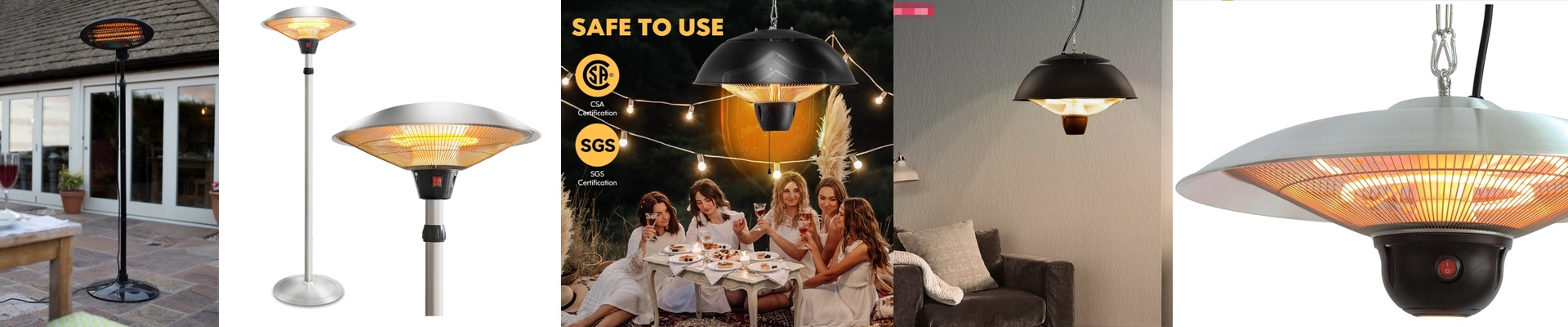
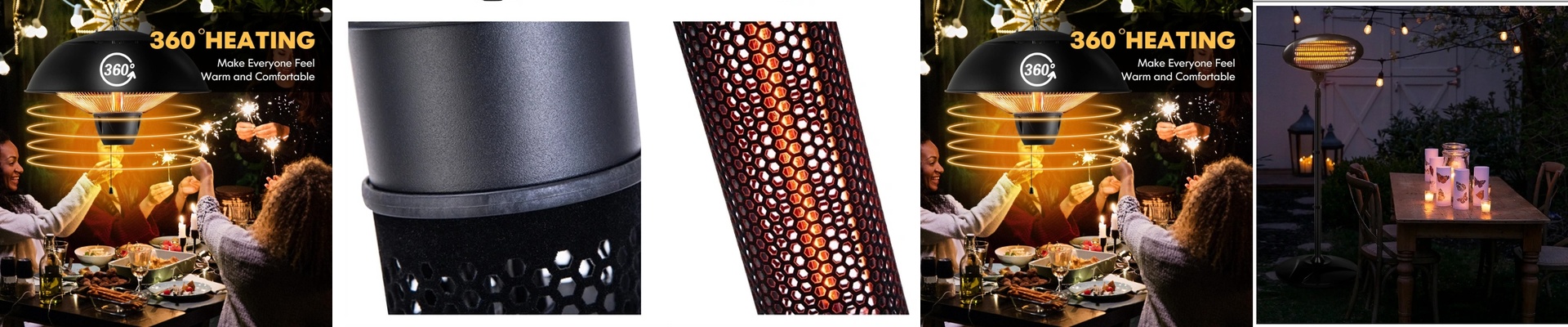
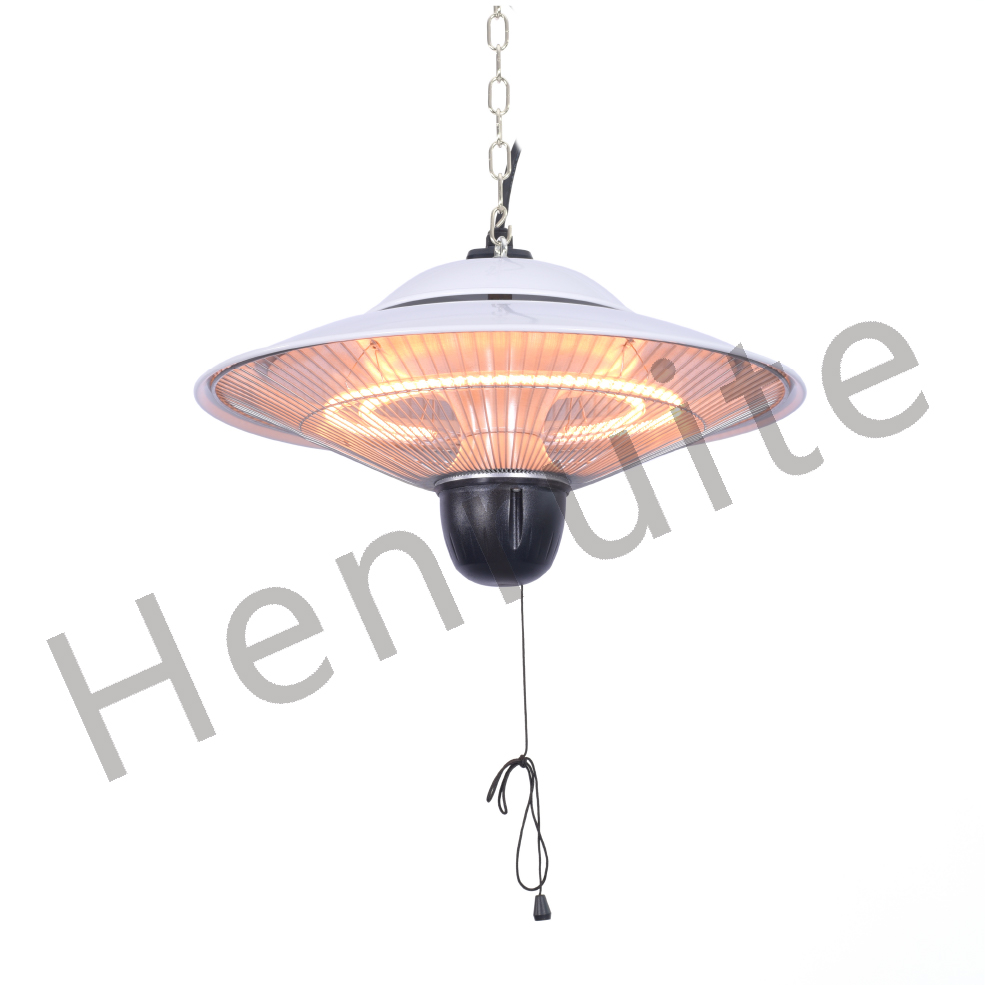
Let’s be honest: those old-school heat lamps in bathrooms just aren’t cutting it anymore. They feel outdated, and they don’t really handle the dampness of a modern bathroom very well. That’s why we’ve been moving toward high-waterproof infrared heaters. They just handle moisture better and, more importantly, they actually make you feel warm the second you flip the switch. Here is the thing about the science side of it. Most heaters try to warm up the air around you. But in a steamy bathroom? That takes forever. Infrared is different. Instead of fighting with the humid air, it sends out radiation that hits you and the floor directly.**It’s instant.**You don’t stand there shivering while the room slowly warms up; you feel the heat on your skin immediately. But bathrooms are basically torture chambers for electronics. Between the thick steam and the occasional splash, most heaters just corrode or short out over time. To fix that, we use units with high IP ratings. In plain English, that just means the housing and the electrical bits are tightly sealed. It keeps the water from creeping into the guts of the machine and frying the internals. It’s built to survive the environment. Installing them is pretty straightforward. They’re designed to slide right into the spots where your old ceiling fixtures used to be. We use reinforced gaskets and sealed quartz tubes to make sure the heat goes down and the water stays out. They don’t take up much space, but they pack a serious punch. There is one catch, though. Because the heat is so concentrated, you can’t just slap these in anywhere. If you mount the unit too low, it’s going to feel like a heat lamp at a buffet—too hot in one spot and uncomfortable. You have to get the height and the angle just right based on the wattage so the warmth spreads out evenly across the floor. And a quick heads-up: while these are built to take a beating from the humidity, you still have to get the grounding right. In a wet zone, you can’t afford to be sloppy with the wiring.