
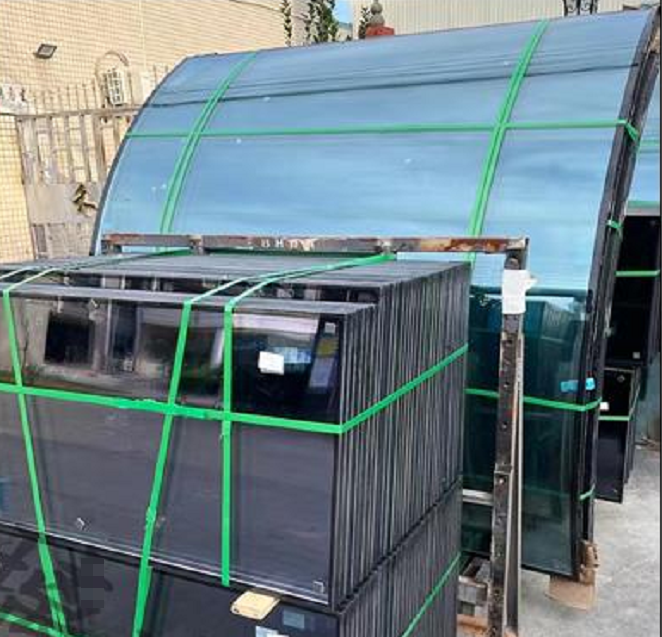
Getting Your Ink and Glass to Actually Play Nice
When you try to temper glass right after screen printing, you’re basically fighting a battle of physics. It’s a tricky balance. You need enough heat to bake the ink in and get the glass ready for tempering, but if you blast the surface too hard or too fast, your patterns start to blur or the glass just snaps from thermal shock. We handle this by using shortwave IR lamps to keep the heat flux under control.
The Struggle for a Sharp Print
The whole goal here is to find that “sweet spot.” You want the ink to bond tight to the glass without it bleeding or running. Here’s the thing: shortwave IR gets into the glass much faster than standard convection heat. We use high-wattage quartz lamps to push that heat deep into the material. This keeps the core warming up without scorching the surface. But be careful—if you crank the power and forget to speed up your conveyor, you’ll end up burning the edges of your ink. Not a great look.
The Gear Under the Hood
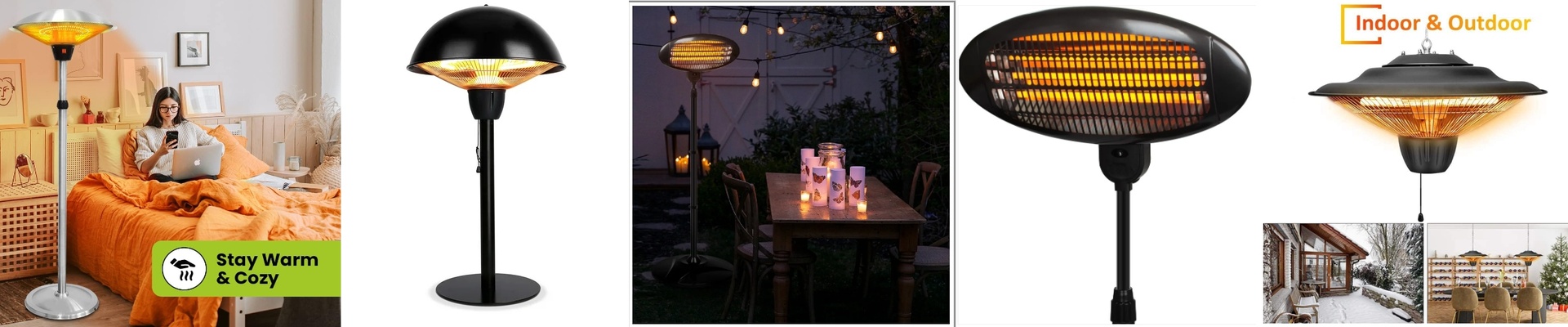
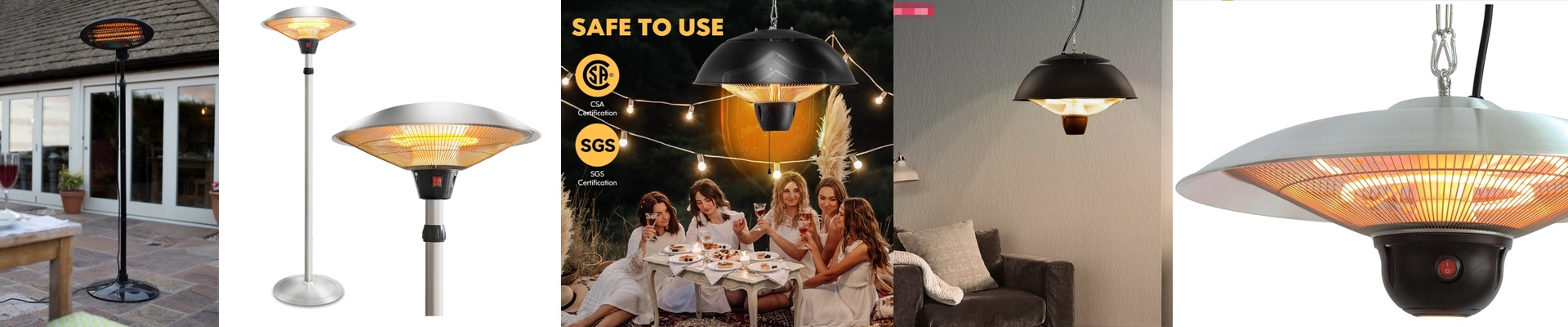
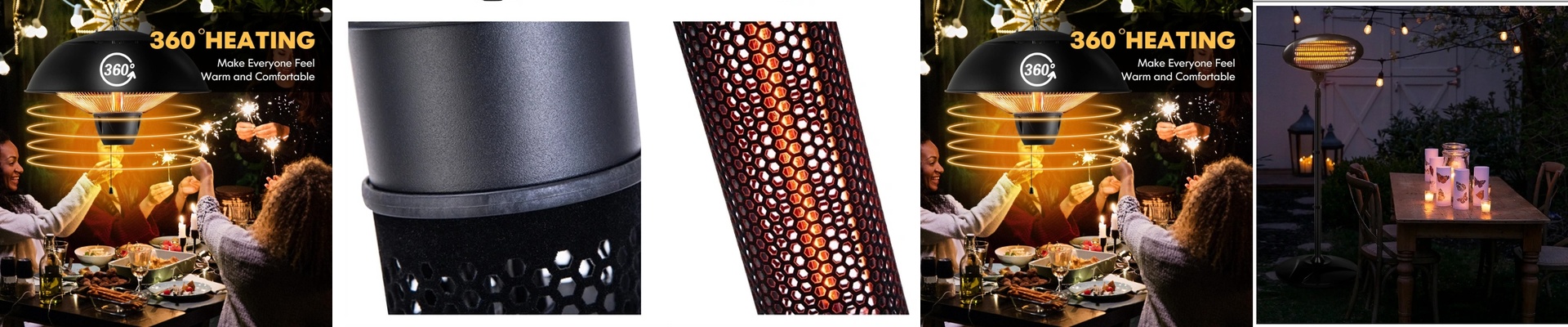
We usually go with high-voltage halogen tubes. Why? Because higher voltage lets us cram more wattage into a smaller space, which gives us the heat density we need. But you can’t just plug them in and hope for the best. You need precise PID controllers. If your voltage starts jumping around, your curing becomes a guessing game, and consistency goes out the window. As for the lamps themselves, quartz envelopes are the way to go. They can take the heat and they don’t freak out when the screen-printing inks start off-gassing. Plus, we use standard industrial connectors, so when it’s time for maintenance, you can just swap them out and get back to work.
The Trade-Off
Using high-density IR arrays means you can ramp up the heat incredibly fast. It’s great for getting more glass through the line. But there’s a catch. All that heat has to go somewhere. If your cooling fans and exhaust hoods aren’t up to the task, the tunnel becomes an oven. Eventually, the lamps will overheat their own sockets and just burn out. Yeah, you’ll spend a bit more on energy. But in exchange, you get a print that looks sharp and a sheet of glass that’s actually strong. To me, that’s a fair trade.