
The Tug-of-War Between Pretty Prints and Strong Glass
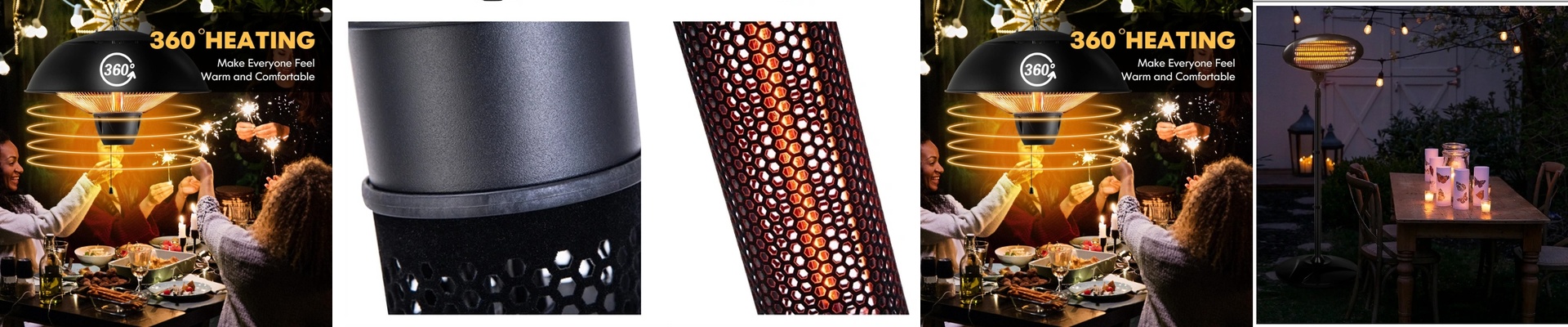
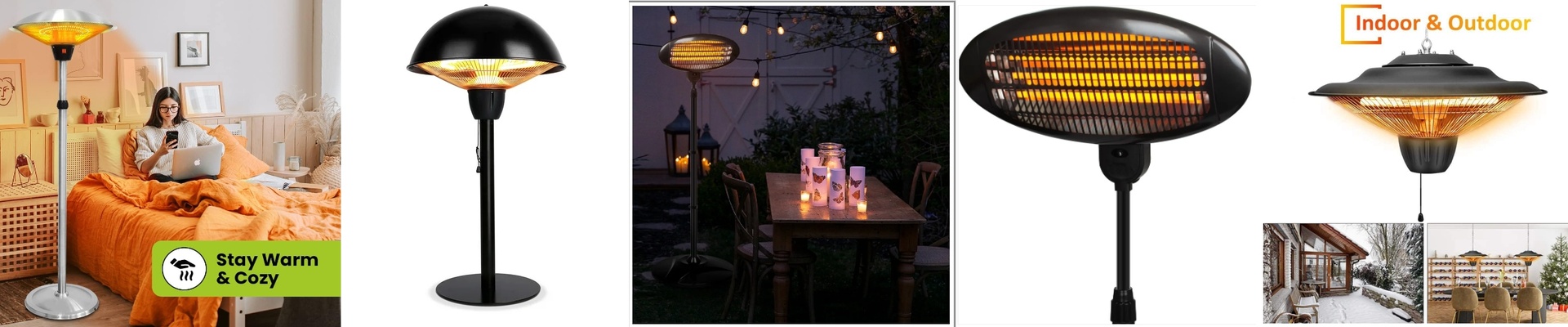
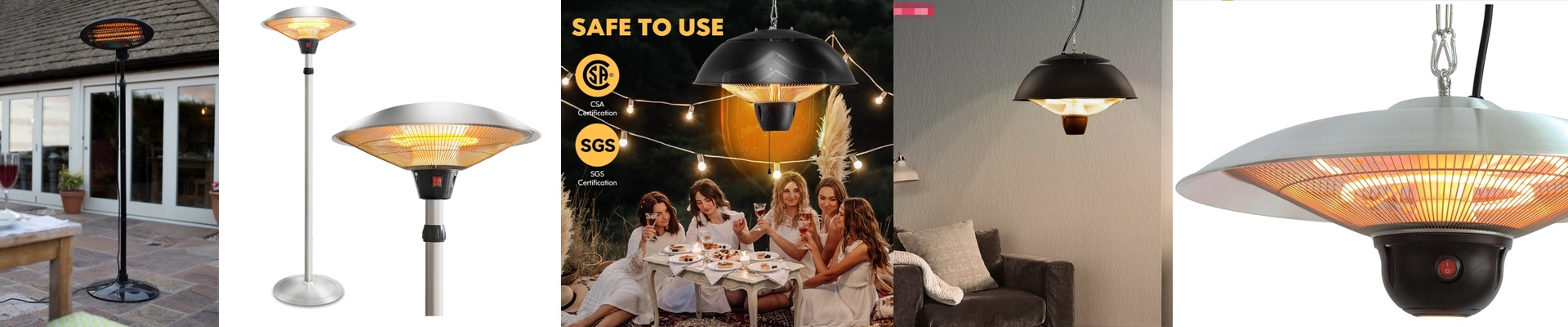
When you try to screen-print and temper glass on the same line, you’re basically fighting a battle with physics. You need enough heat to lock in the ink and get the glass ready for the quench. But if you push too much heat—or if you’re too slow about it—the ink starts to bleed and the glass warps. It’s a mess. That’s why we lean on shortwave infrared (IR) preheaters. They just work better.
Keeping the Lines Sharp
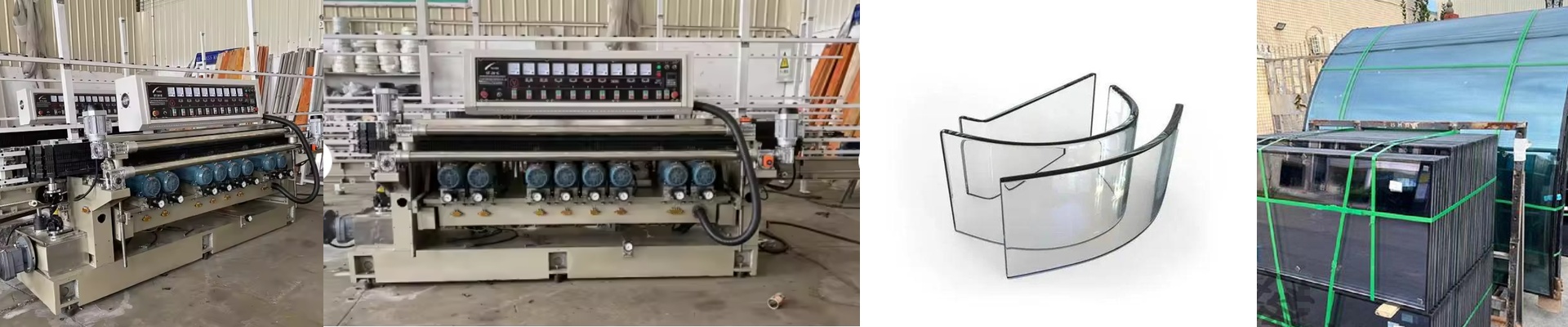
Standard convection heating is honestly too sluggish for thick glass. It hits the surface first, creating this temperature gap that can smudge your patterns before the center of the glass even warms up. We use shortwave IR lamps because they actually punch through the glass. They get to the core faster. The result? Your ink sets quickly. It doesn’t sit around in that awkward, semi-liquid state where things get blurry. You get a crisp, sharp line every time.
Don’t Sacrifice the Strength
The real goal here is to get the glass to one steady, uniform temperature before it hits the main furnace. If the preheat is patchy, you end up with internal stress points. Not ideal. We spend a lot of time calibrating the lamp arrays. We want the heat to feel the same across the entire sheet, edge to edge. But you can’t just crank the wattage. If you throw too many kilowatts into a small space, you’ll scorch the surface. You’ll end up with that “orange peel” texture in the ink, which looks cheap. It’s all about finding that sweet spot between lamp position and power.
The Trade-offs
Here’s the thing: high-intensity IR lamps are fast, but they’re hungry. They pull a lot of power and they generate a ton of heat. If your ventilation isn’t up to the task, those lamps will bake your control electronics right out of the cabinet. So, you’re making a choice. You spend a bit more on energy and cooling, but in exchange, you get a faster cycle and prints that actually look the way they’re supposed to.