How to Actually Keep a Cold Changing Area Warm
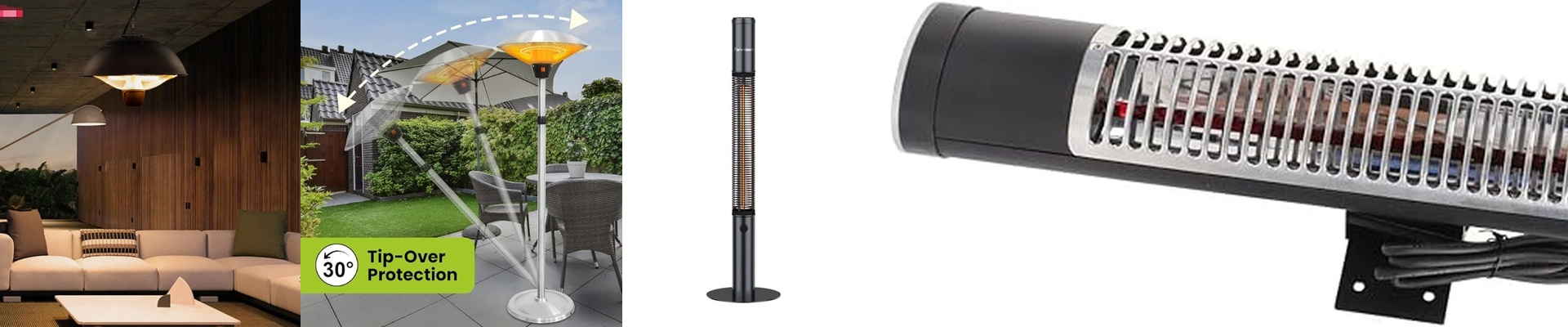
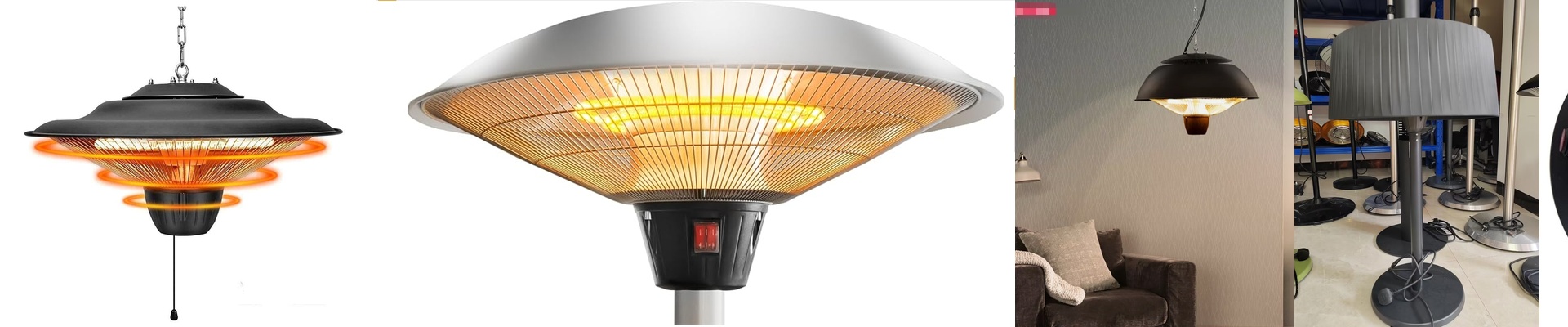
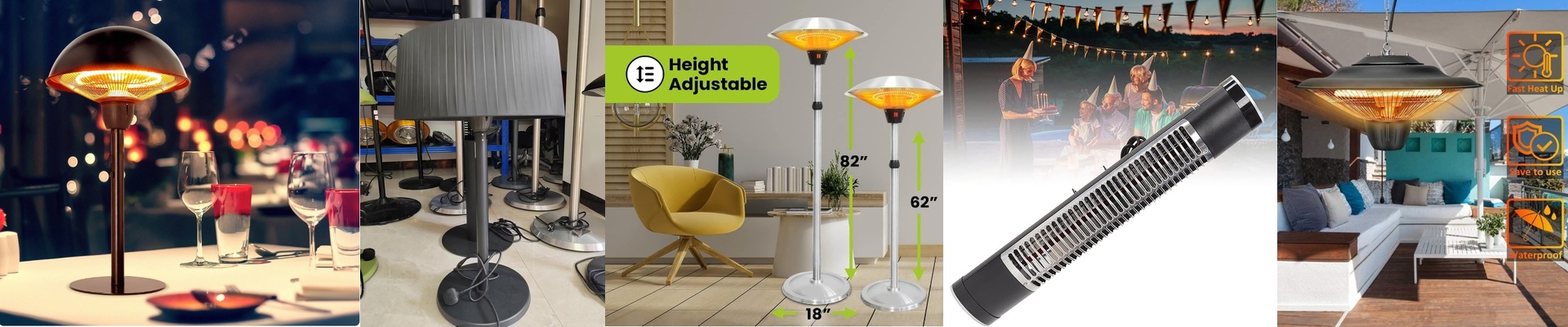
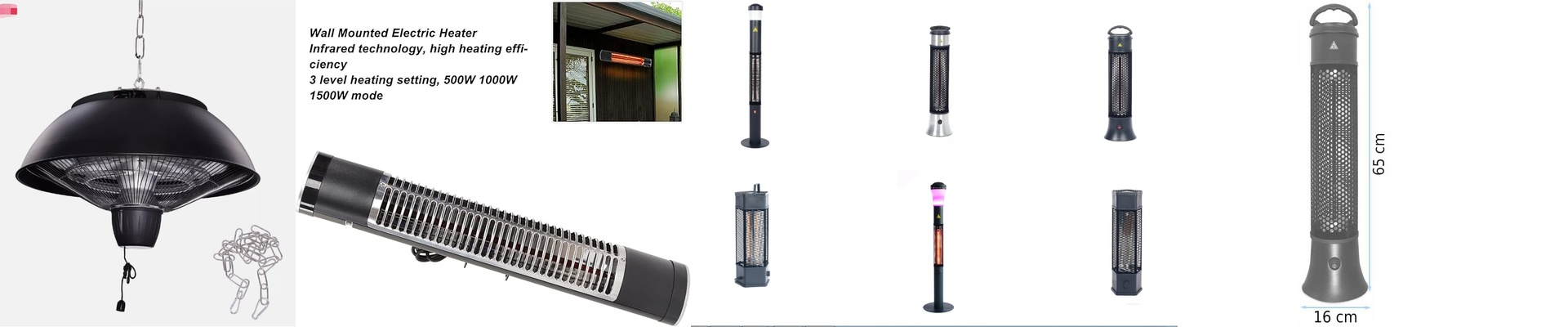
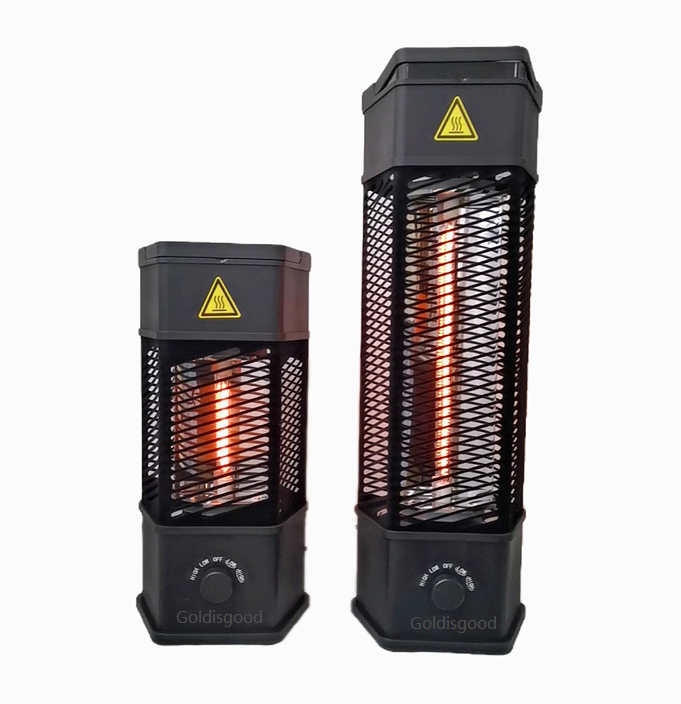
If you’ve ever stood in a freezing changing area, you know the struggle. You can’t just turn on a heater and wait twenty minutes for the air to warm up—by then, your guests are already shivering and miserable. That’s why we don’t mess around with convection. We use shortwave infrared. Instead of trying to heat the air (which just drifts away the second a door opens), this tech beams energy straight to the skin and the surfaces around it. It’s that instant, “ahhh” feeling of warmth the second you step under it. The secret is in the tubes. We use high-density quartz elements that get incredibly hot. This creates shortwave radiation, which is a fancy way of saying the heat actually penetrates. Unlike the cheaper heaters that a light breeze can blow away, this stuff cuts right through the wind. You flip the switch, and you feel it immediately. Built for the elements Let’s be real: the outdoors is brutal on electronics. Moisture, humidity, and random splashes can kill a heater fast. To stop that from happening, we tuck the elements into IP-rated enclosures with tempered glass. It’s a tight seal that keeps the water out and the electricity safe, but it’s designed so the heat can still push through the glass without cracking it. You can’t just take a standard indoor heater and hope for the best—you need something that can actually take a beating. A few things to keep in mind for the setup Here is the catch: these units pull a lot of power. To get that high-end, luxury warmth fast, you’re going to need a dedicated circuit. Make sure your breakers can handle the peak load, or you’ll be spending your day resetting the power. Also, remember that infrared is very directional. It’s hot right under the lamp, but that warmth drops off quickly as you move away. You’ll want to map out exactly where people will be standing so you don’t end up with annoying cold spots. Just be careful not to go overkill with the wattage in a tiny space, or you’ll turn your changing zone into a sauna. It’s all about finding that sweet spot between the size of the room and the power of the heater.