

Why we put our bathroom heaters through “the torture test”
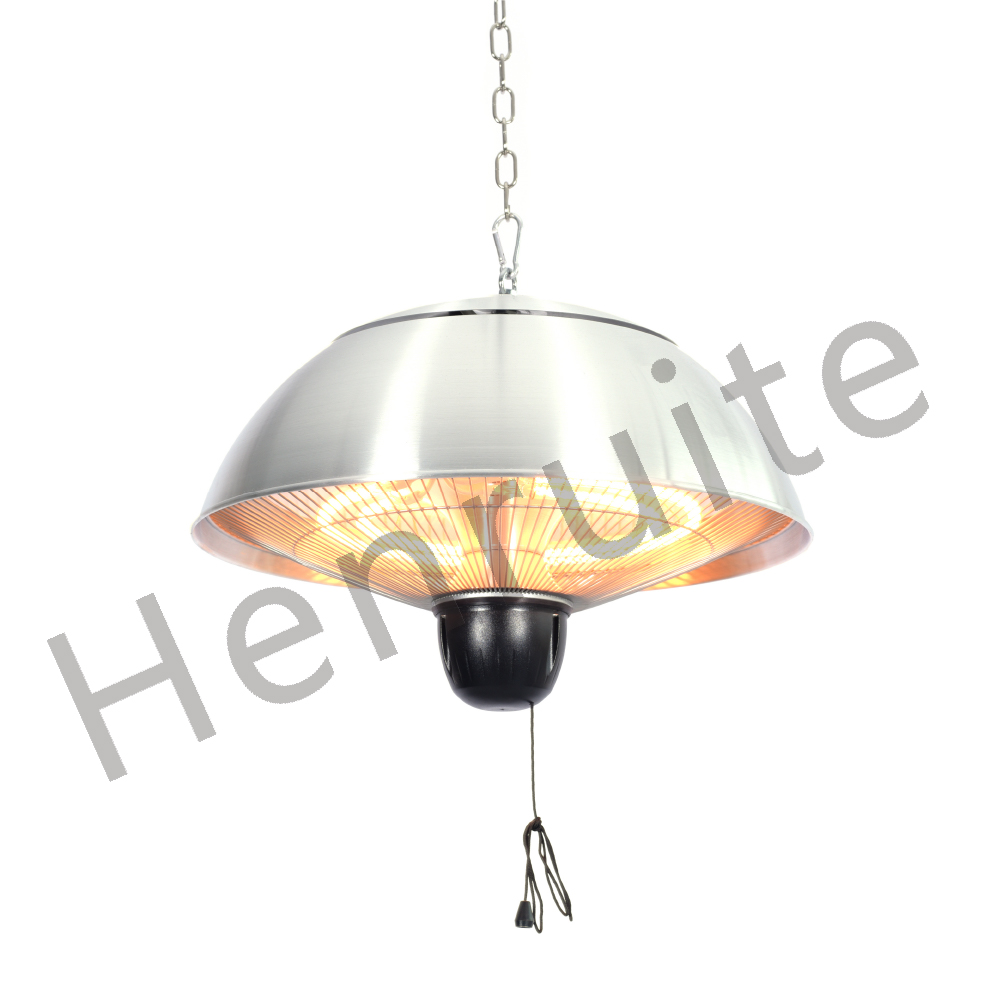
Let’s be honest: bathrooms are a nightmare for electronics. You’ve got thick steam, random splashes of water, and temperatures that swing from freezing to sauna-hot in minutes. It’s a brutal environment. Now, we build our infrared lamps to an IP44 standard. On paper, that means they’re sealed against splashes and small bits of debris. But a spec sheet is just a piece of paper. It doesn’t actually tell you if the heater will still be working three years from now. That’s why we put every single batch through damp-heat aging tests. Basically, we try to break them before they ever reach your ceiling.
The hidden danger of steam
Here is the thing about water vapor: it’s sneaky. It doesn’t just sit on the surface; it finds its way into the tiniest gaps in the seals. If a gasket fails—even by a fraction of a millimeter—moisture hits the electrical contacts. That leads to rust, oxidation, or a total short circuit. We simulate years of bathroom humidity and heat in a short window to look for “creepage.” That’s just a fancy way of saying electricity is traveling where it shouldn’t. If a unit fails this test, it’s junk. Because if we didn’t catch it, it would just burn out in your home six months down the line.
The balancing act
Keeping water out is the easy part. The hard part is letting the heater breathe. See, when you seal a unit tight to make it waterproof, you create a thermal bottleneck. If you seal it too much, the heat can’t escape, and you risk melting the socket. It’s a constant tug-of-war. We spend a lot of time tweaking the sealants and tolerances to make sure the unit is bone-dry inside, but still cool enough to last for years.
How we know it actually works
We don’t guess. We measure. We check the insulation resistance before the test and again after. If that number drops, we know a seal leaked. We also keep a close eye on the glass and the reflectors. If moisture gets in, the reflector can start to “pit” or get cloudy. When that happens, the heat doesn’t throw downward anymore—it just wastes away. We make sure the heat stays punchy and consistent, so your bathroom stays warm even after a few long winters.